


OSU-CHS and HPNRI bring sports science to Oklahoma’s coaches and trainers
Wednesday, October 14, 2026
Media Contact: Sydney Trainor | OSU Brand Management | 405-744-9782 | sydney.trainor@okstate.edu
Key Takeaways
- OSU-CHS and HPNRI partner to bring evidence-based sports science and practical coaching strategies to high school coaches and athletic trainers across Oklahoma.
- In fiscal year 2025-26, Strength and Conditioning ECHO attracted 726 attendees, with 77% returning participants.
- HPNRI combines virtual education, hands-on clinics and performance ambassadors to improve student-athlete safety, performance, movement preparation and nutrition.
- The Boone Pickens Human Performance Innovation Complex, opening in early 2028, will advance research, workforce development and community partnerships.
In high school gymnasiums and athletic training facilities across Oklahoma, traditional coaching habits are being enhanced by elite-level sports science.
This transformation is the direct result of a collaboration between Oklahoma State University Center for Health Sciences and the OSU Human Performance and Nutrition Research Institute.
By combining OSU-CHS’s established Project ECHO — Extension for Community Healthcare Outcomes — platform with HPNRI's expertise in human performance and nutrition, the two organizations are translating complex university research into practical, everyday coaching tools.
At the heart is the Strength and Conditioning ECHO line. Project ECHO’s model connects coaches, trainers, educators, clinicians and other professionals directly to sports medicine experts through virtual channels.
In fiscal year 2025-26, the Strength and Conditioning ECHO saw a total of 726 attendees, with 77% being repeat participants.
“Seeing so many of our Strength and Conditioning participants return shows that the content is valuable and relevant. More importantly, it reflects a growing learning community that helps coaches put evidence-informed practices into action,” said Melenda Knight, HPNRI associate director.
These best practices are learned through virtual sessions combined with hands-on, in-person training events that connect local coaches with OSU experts.
In June, HPNRI hosted the High-Performance Coaching Clinic for 40 participants, featuring instruction from Rob Glass, assistant athletic director for athlete performance; Dr. Jay Dawes, professor of applied exercise science; and Lance Walker, the Rick and Gail Muncrief executive director of HPNRI.
Leo Krajewski, strength and conditioning coach and athletic trainer at Muskogee High School, said the clinic was a game-changer.
“It was one of the best seminars I have been to. It illustrated how virtual theory becomes a powerful physical practice when coaches have the opportunity to learn side-by-side from industry leaders,” he said.
Another way HPNRI is translating academic expertise into the community is through the Performance Ambassador Initiative. The ambassadors act as the connection between OSU expertise and the schools, teams, organizations and communities they serve.
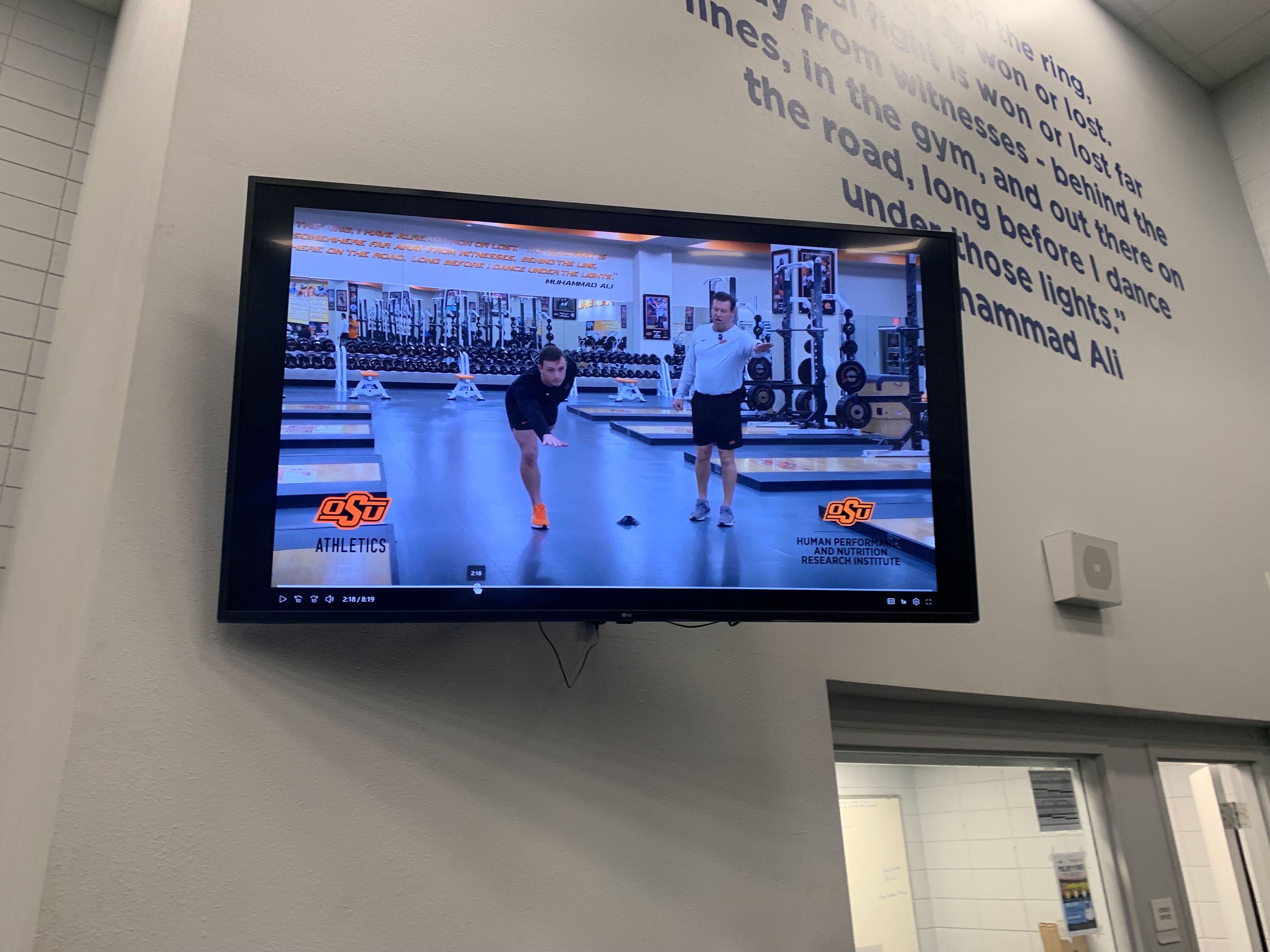
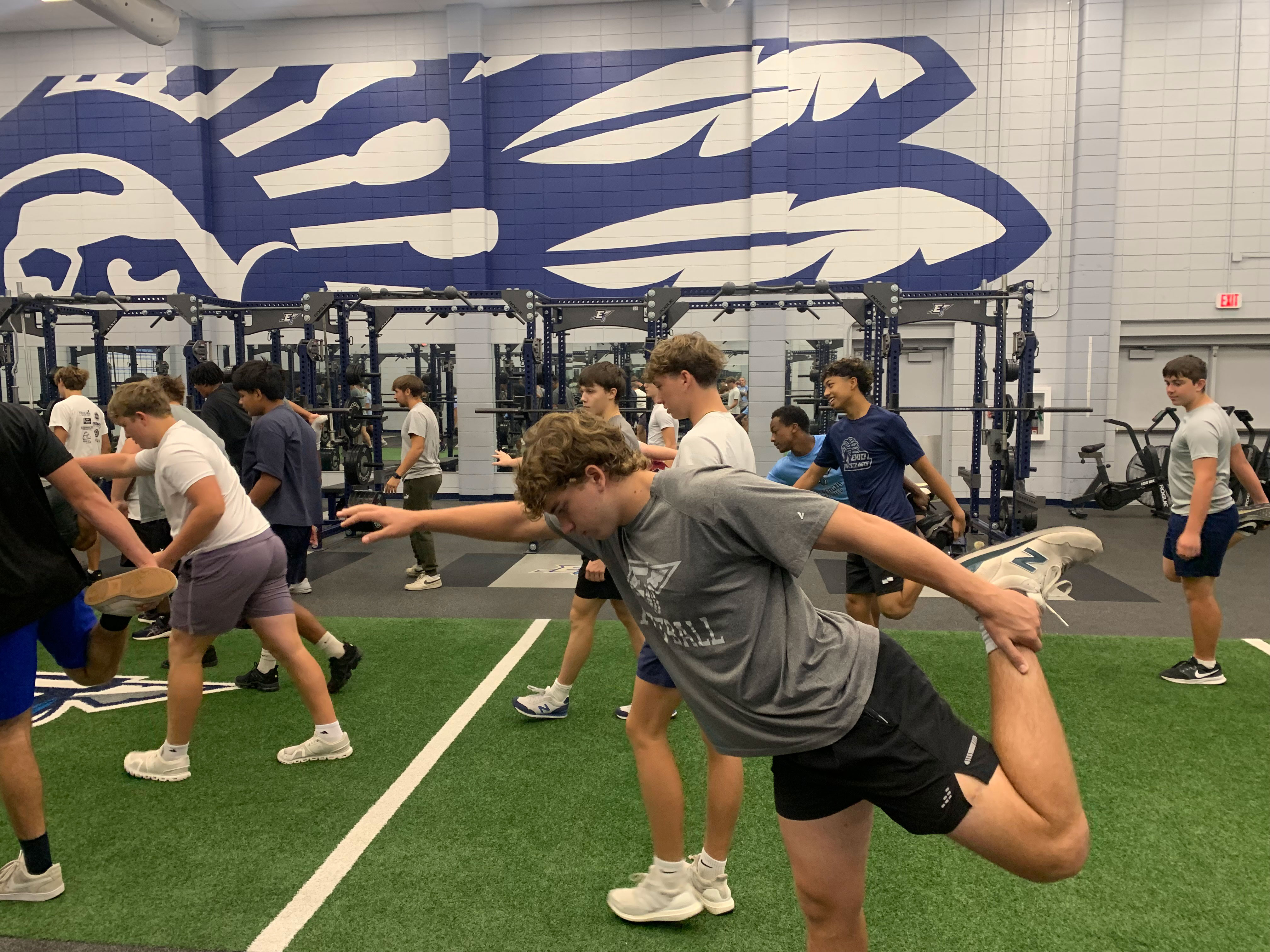
Fred Peery, the sports performance director at Enid High School, is one such ambassador.
Peery’s connection to OSU runs deep, having known Glass for years. He is an active participant in the Strength and Conditioning ECHO and attended the HPNRI clinic in June. He has applied what he learned in these sessions to the Enid School District, sharing resources with junior high and elementary instructors.
He also established a dedicated nutritional snack area and beverage cooler directly inside the high school weight room to support post-workout muscle recovery.
Recognizing that the nearby rural school districts often lack the same resources, Peery aims to host an HPNRI regional clinic in Enid.
“The main goal is to get the information I’ve learned out to other coaches,” he said.
Peery’s experience is mirrored in communities across Oklahoma, where coaches are witnessing immediate improvements in student-athlete safety and performance.
At Putnam City North High School, athletic trainer and performance ambassador, Terry Noonan brought Walker and Glass to campus to host a specialized training session for the school’s entire coaching staff.
Noonan stressed that proper preparation is a major factor in keeping young athletes engaged and healthy.
"Getting them to warm up correctly is key," he said.
Walker agreed, advocating for a shift in coaching culture away from traditional warm-ups to a focus on movement activation, dynamic mobility and neuromuscular readiness.
"The concept of warm-ups has evolved to purposeful movement preparation, going far beyond getting warm to getting ready to perform,” Walker said. “Today’s coaches are adopting a more modern approach that prepares athletes for the specific demands of the performance ahead.”
“It was one of the best seminars I have been to. It illustrated how virtual theory becomes a powerful physical practice when coaches have the opportunity to learn side-by-side from industry leaders.”
Another way HPNRI is translating research into practice is through the upcoming Boone Pickens Human Performance Innovation Complex.
Scheduled to open in early 2028, the complex will serve as an interdisciplinary hub for advancing research and fostering collaborative partnerships to enhance workforce development and community engagement.
Walker said the institute’s broader mission is to generate knowledge and resources that help everyone move, eat and rest better.
“This complex will allow us to engage with real-world health and performance challenges, bring together the expertise needed to understand what works and why, and equip the people, programs and communities who can turn discovery into meaningful change across Oklahoma and beyond,” he said.
As these strategies take root across Oklahoma, HPNRI and its partners are building a statewide network dedicated to student-athletes’ health and performance.
FAQs
-
What is the OSU-CHS and HPNRI partnership?
Oklahoma State University Center for Health Sciences and the Human Performance and Nutrition Research Institute partner to bring university research and evidence-based sports science to coaches and athletic trainers across Oklahoma through Project ECHO.
-
What is the Strength and Conditioning ECHO program?
A virtual telementoring program where participantsget expert knowledge of best practices in strength and conditioning to elevate the profession of strength and conditioning in Oklahoma, ensuring coaches and trainers have the skills and knowledge necessary to enhance athletic performance, reduce injury rates, and improve the overall health of their athletes.
-
When will the Boone Pickens Human Performance Innovation Complex open?
The Boone Pickens Human Performance Innovation Complex is scheduled to open in early 2028 at Oklahoma State University. The facility will support interdisciplinary research, workforce development and community partnerships focused on human health and performance.
-
What is the HPNRI Performance Ambassador Initiative?
HPNRI experts encourage coaches to use purposeful movement preparation, including dynamic mobility, movement activation and neuromuscular readiness, rather than relying solely on traditional warm-ups. These practices help prepare athletes for the specific physical demands of their sport.
Story By: Kayley Spielbusch | kspielb@okstate.edu