


OSU students bring Silk Road history to life through new art exhibition
Wednesday, November 18, 2026
Media Contact: Amy Rader | OSU Museum of Art Marketing Coordinator | 405-744-2783 | amyjuar@okstate.edu
Key Takeaways
- OSU students helped curate “Echoes of Exchange,” a Silk Road exhibition at the OSU Museum of Art running through Feb. 20, 2027.
- History and art students researched objects, wrote exhibition labels and helped determine how works would be displayed.
- The exhibition explores centuries of global trade through objects including ancient coins, Roman glass, Chinese sculpture and a Qing silk robe.
- The OSU Museum of Art will host an opening reception from 5-6:30 p.m. Nov. 19 with student remarks and Persian music.
The Oklahoma State University Museum of Art opened “Echoes of Exchange: Global Trade from Antiquity Through the Silk Road” on Tuesday, Nov. 17, inviting visitors to explore centuries of trade and cultural connections across continents. The exhibition will remain on view through Feb. 20, 2027.
In collaboration with Dr. Tonia Sharlach, OSU professor of history, and her students, the exhibition examines the Silk Road as a network of overland and maritime trade routes connecting East Asia to the Mediterranean. These routes facilitated the exchange of goods, ideas and artistic traditions, shaping societies across vast distances.
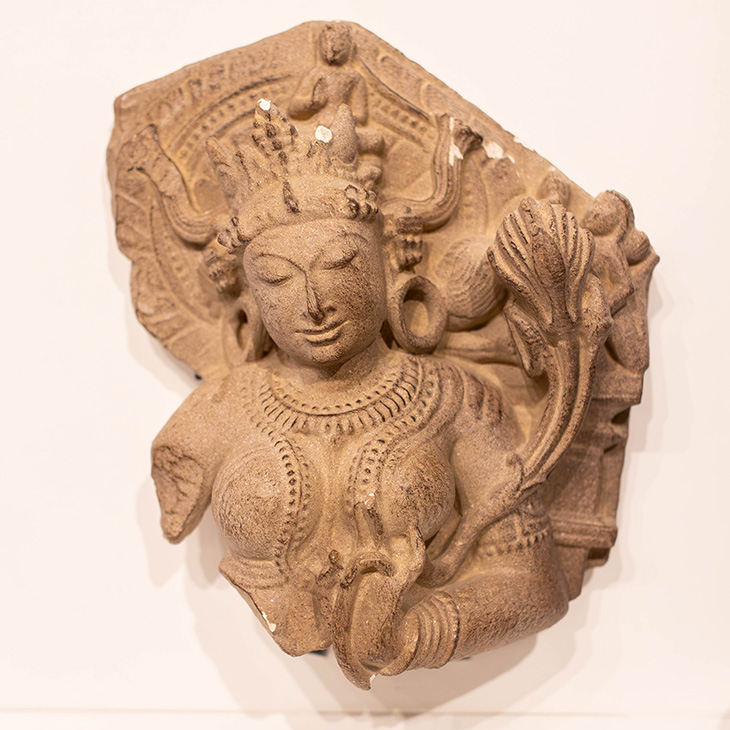
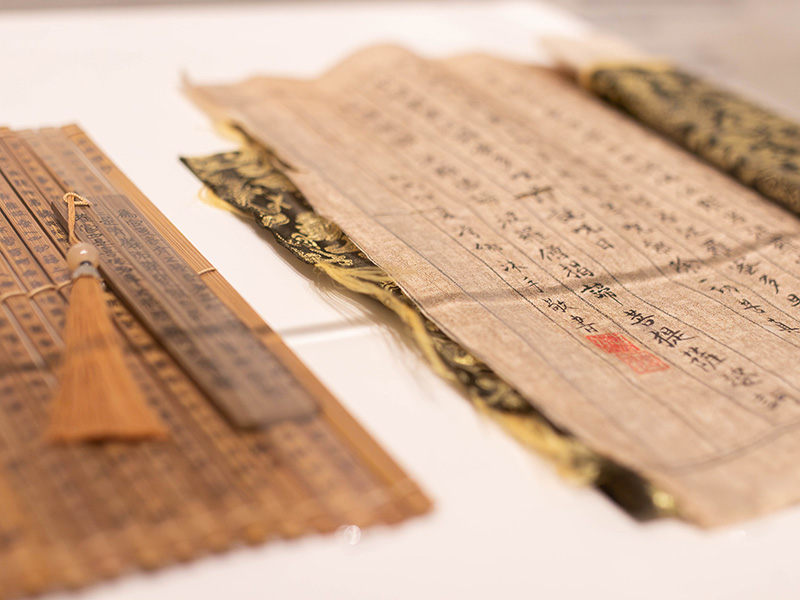
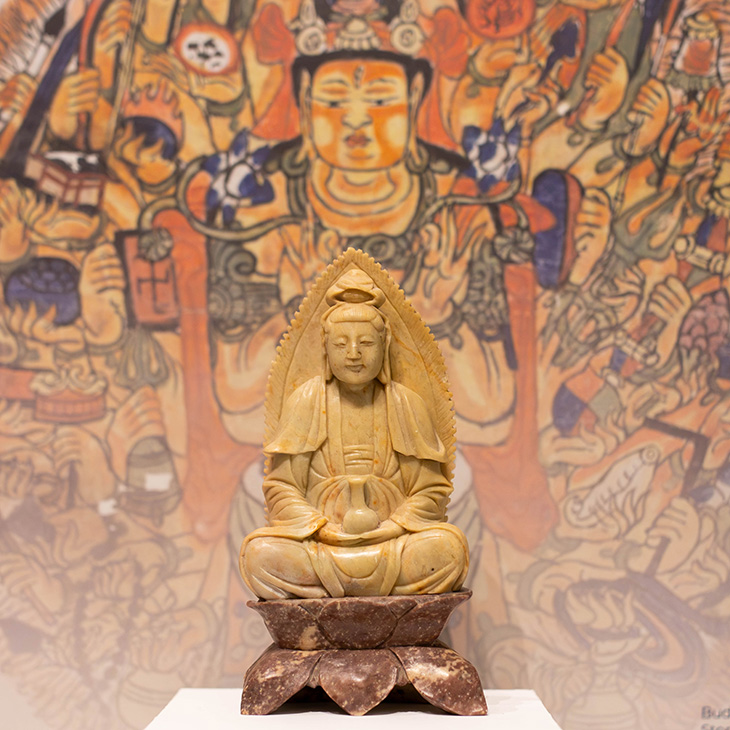
Drawing from the museum’s permanent collection and loans from other collections, the exhibition features objects that tell stories of these connections, including a Tang Dynasty terracotta sculpture, ancient coins, a Roman glass bottle and a Qing silk robe. The objects span a wide range of places and time periods, offering visitors a look at the many ways people and cultures have influenced one another.
Although the Silk Road trade network is commonly associated with a period beginning around the second century B.C., Sharlach said the exhibition also explores the longer history of global trade. The oldest object on view dates to approximately 1500 B.C.
“The Silk Road is a topic that has endlessly fascinated many people, including myself,” Sharlach said. “It’s remarkable to think about trade over such vast distances so long ago, and how many of the things we take for granted today, like paper or glass, were important parts of the trade.”
While Sharlach proposed the exhibition, students in history and art took the lead in researching objects, writing most of the exhibition labels and determining how the works would be displayed.
“This is really their exhibition,” Sharlach said.
For Dominic Stauffer, a first-year master’s student in history, the project offered an opportunity to move beyond classroom research and gain hands-on experience in museum curation.
“It was a big jump. I have never done anything like this before, and it was a hard thing to put together,” Stauffer said. “Yet, with guidance from the museum and the students who had experience in the class, it became easier and more fun to work on.”
The experience also provided students with professional training in communicating historical research to public audiences. Sharlach noted that these skills are valuable for students pursuing careers in education, public history, museums, historic preservation and related fields.
The museum will celebrate the exhibition with an opening reception from 5 to 6:30 p.m. Thursday, Nov. 19. Visitors can hear from the OSU students who curated the exhibition during remarks at 5:30 p.m. The evening will also feature live performances by Mani Mostajab and Hossein Khaleghian, who will play traditional Persian instruments, along with light refreshments.
Frequently Asked Questions
-
What is “Echoes of Exchange” at the OSU Museum of Art?
“Echoes of Exchange: Global Trade from Antiquity Through the Silk Road” explores trade and cultural connections across continents. The exhibition examines how goods, ideas and artistic traditions traveled through overland and maritime trade routes.
-
When can I see the Silk Road exhibition at the OSU Museum of Art?
“Echoes of Exchange” opened Nov. 17, 2026, and will remain on view through Feb. 20, 2027. The OSU Museum of Art is open Tuesday through Saturday from 11 a.m. to 4 p.m.
-
How did OSU students help create the “Echoes of Exchange” exhibition?
OSU history and art students researched objects, wrote most of the exhibition labels and helped determine how works would be displayed. The project gave students hands-on experience in museum curation and communicating historical research to the public.
-
What objects are featured in the OSU Silk Road exhibition?
The exhibition includes a Tang Dynasty terracotta sculpture, ancient coins, a Roman glass bottle and a Qing silk robe, among other objects. Works come from the OSU Museum of Art’s permanent collection and loans from other collections.
-
Is admission to the OSU Museum of Art free?
Yes. Admission to the OSU Museum of Art is always free. The museum is located at 720 S. Husband St. in Stillwater.