Endowed chairs, professorships strengthen CEAT's research and academic expertise
Friday, September 25, 2026
Media Contact: Desa James | Communications Coordinator | 405-744-2669 | desa.james@okstate.edu
In higher education, endowed faculty positions are among the highest honors a university can bestow. Created through philanthropic gifts, these appointments provide long-term support that gives distinguished faculty greater flexibility to pursue research, mentor students and build collaborations. They also help universities recruit and retain scholars whose work can shape their fields.
For the College of Engineering, Architecture and Technology, those positions represent an investment in faculty whose work extends beyond the classroom. Across CEAT's schools and disciplines, there are 45 faculty members bringing expertise to challenges ranging from energy and infrastructure to agriculture, computing and health.
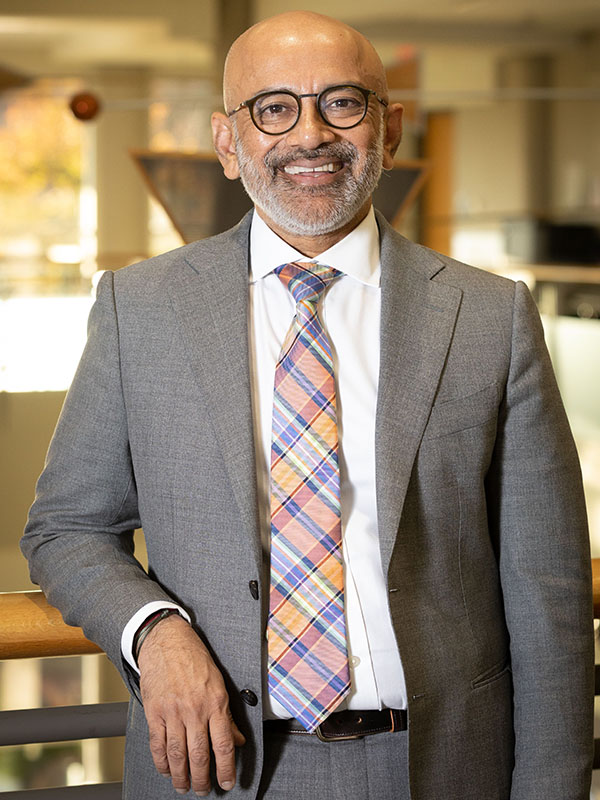
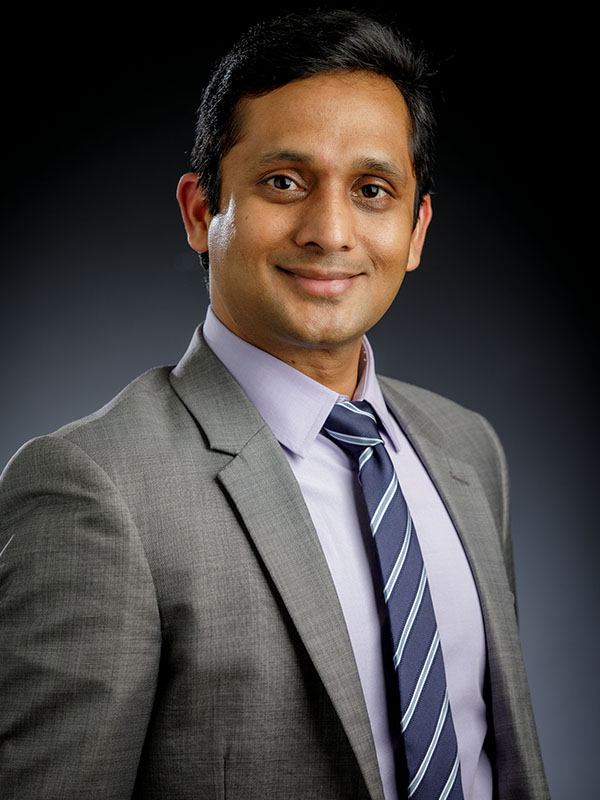
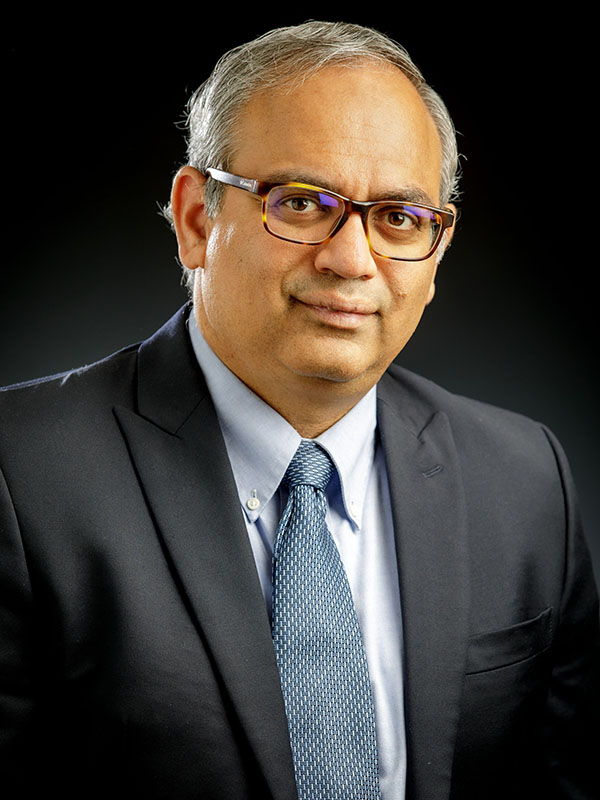
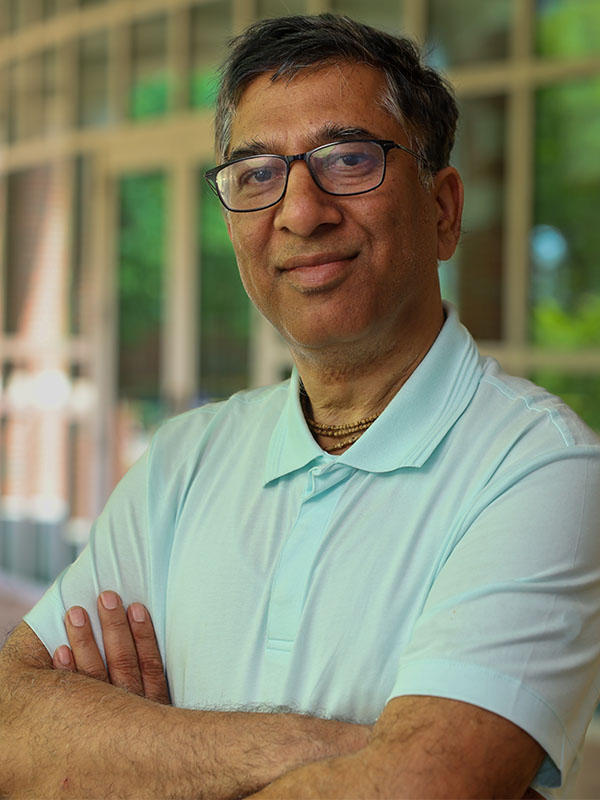
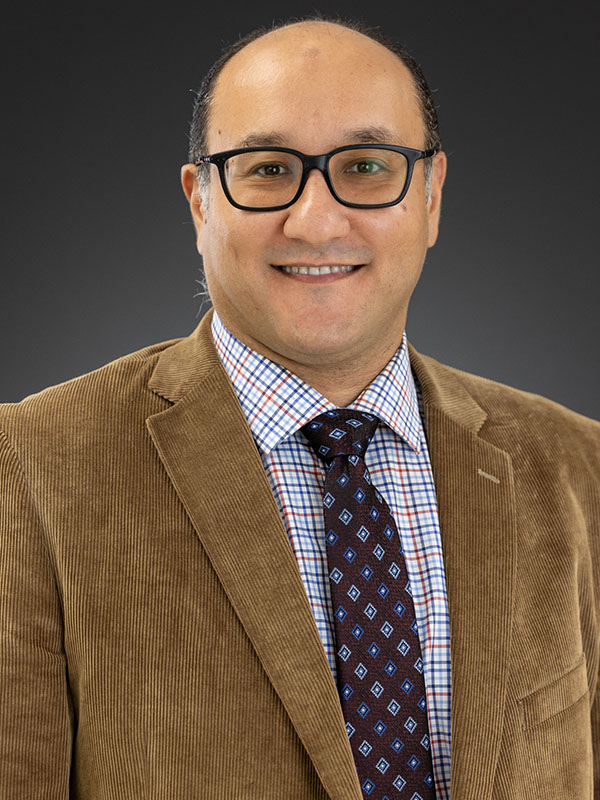
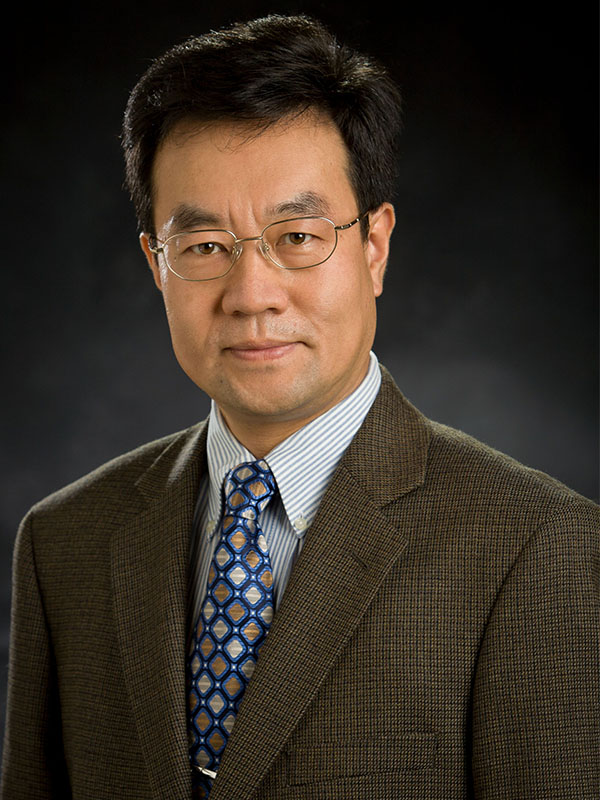
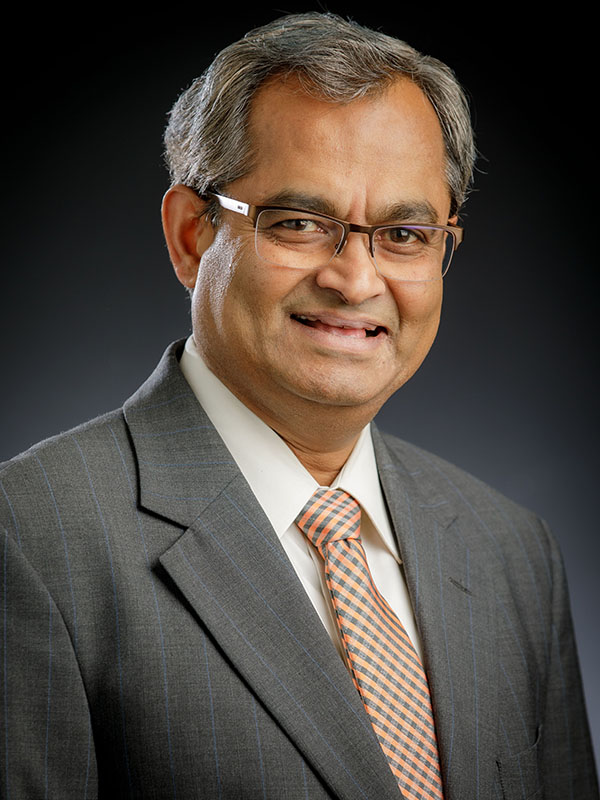
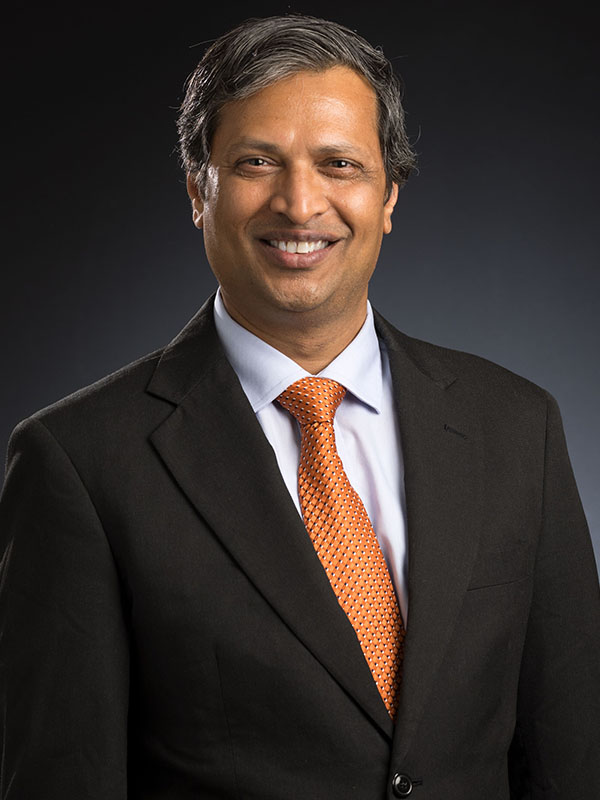
Dr. Ramesh Goel is the latest example of that investment.
After nearly two decades at the University of Utah, Goel joined Oklahoma State University as the John Hendrix Chair in Engineering in the School of Civil and Environmental Engineering. The appointment comes as he begins a new chapter in a career built around water quality, ecosystem resilience and climate-driven environmental processes.
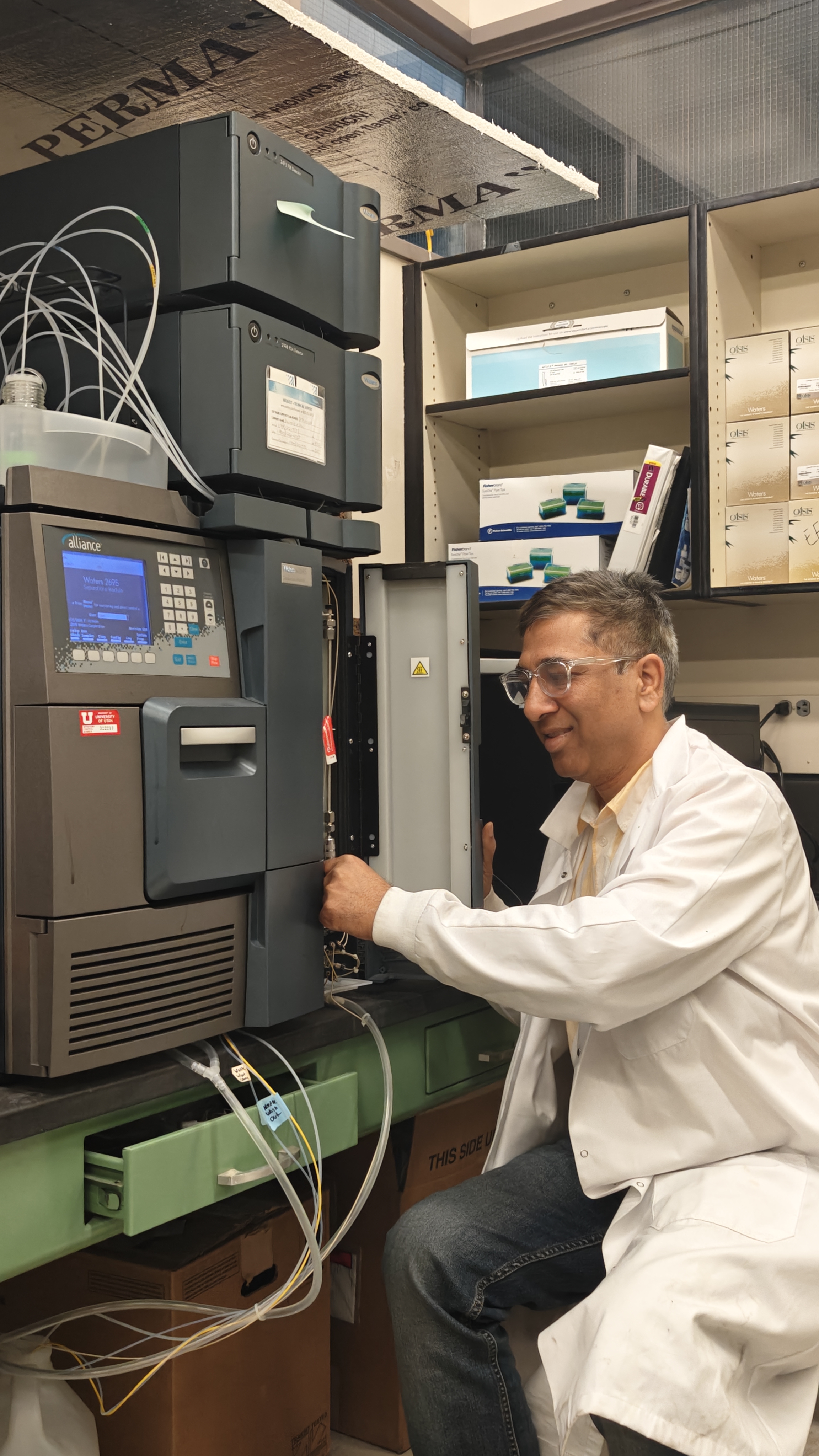
“Like a river that remains clean through constant movement, a fulfilling academic career thrives on curiosity, collaboration and continuous growth,” Goel said.
At Utah, Goel developed a well-funded research program supported by agencies including the National Science Foundation, the Strategic Environmental Research and Development Program, the U.S. Department of Agriculture, the U.S. Agency for International Development and the U.S. Department of Energy. His work has resulted in more than 100 peer-reviewed journal articles and more than 200 conference presentations, while he has mentored more than 40 funded graduate students along with master's, undergraduate and high school researchers.
His research has examined nitrogen cycling in engineered bioreactors, granular activated sludge processes, harmful algal blooms, water reclamation and reuse, waste management, waste-to-resource conversion and bacteriophage ecology.
Now, he sees OSU as a place to expand that work through new collaborations.
“At Oklahoma State University, I see a vibrant community of scholars whose collaborative spirit aligns with my own,” Goel said. “I look forward to building new partnerships, pursuing ambitious research, mentoring the next generation of scientists and engineers, writing impactful papers and even enjoying the informal conversations over afternoon coffee that so often spark the best ideas.”
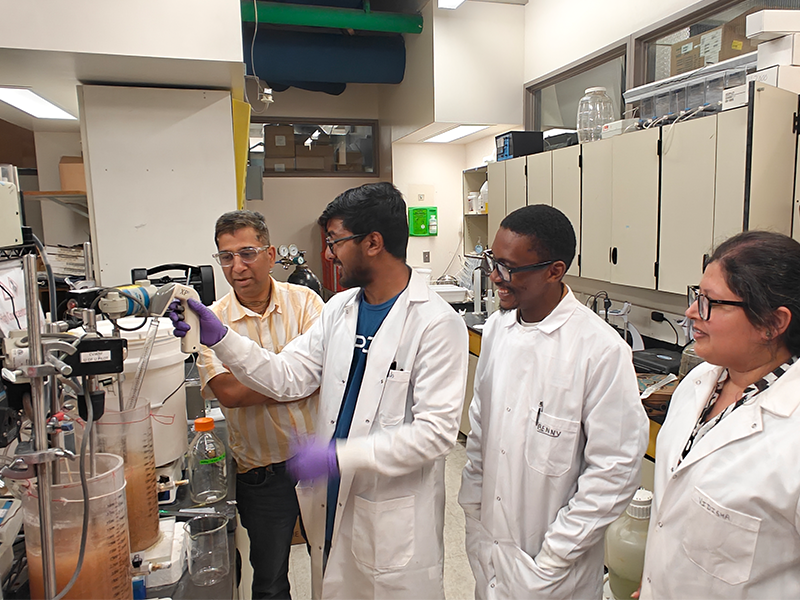
For Goel, the John Hendrix Chair is significant not simply because it recognizes what he has accomplished, but because of what it makes possible moving forward.
“Being named the John Hendrix Chair in Engineering is both a tremendous honor and a profound responsibility,” Goel said. “Personally, it is a meaningful recognition of the many students, colleagues, mentors and collaborators who have been part of my journey. No academic career is built alone, and I view this appointment as a reflection of the collective efforts and shared successes of everyone who has contributed to my research and educational mission.”
The endowed position also gives Goel additional flexibility as he develops new research at CEAT.
“It offers the flexibility to explore innovative ideas, support graduate students and develop transformative solutions to some of society's most pressing environmental challenges, including sustainable water management, resource recovery and climate resilience,” Goel said.
Those challenges increasingly cross disciplinary boundaries. At CEAT, Goel sees opportunities to connect environmental engineering with agriculture, ecology, data science, energy and public health while drawing on Oklahoma's environmental and agricultural landscape.
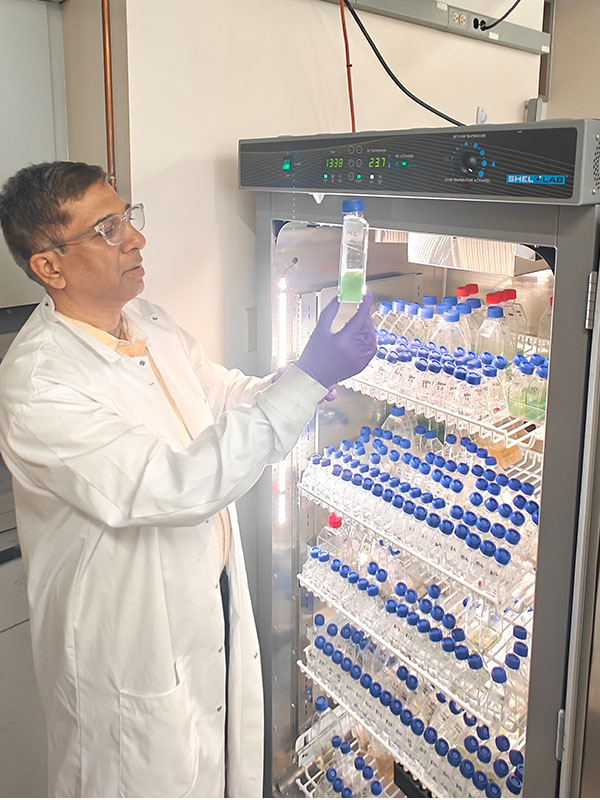
“I see Oklahoma State as an outstanding place to expand both the breadth and impact of my research,” Goel said. “Environmental challenges such as PFAS contamination, water reuse, wastewater treatment, nutrient pollution and climate resilience require integrated solutions that combine fundamental science with practical engineering.”
Students will be central to that work.
Goel has spent much of his career connecting research and education, giving students opportunities to participate in projects that address real environmental challenges. He hopes to continue that approach at CEAT.
“Working with students has always been the most rewarding part of my academic career,” Goel said. “Research discoveries are exciting, but seeing students grow into confident engineers, scientists, educators and leaders is the most enduring impact we can have as faculty.”
That emphasis on mentorship is also part of what he sees as the responsibility of holding an endowed position.
“Endowed positions also carry an expectation of leadership, and I embrace the opportunity to help strengthen the School of Civil and Environmental Engineering through research excellence, mentorship and service,” Goel said.
He sees the opportunity for significant growth within CIVE in the next 5-10 years.
“I would like CEAT to be recognized as a destination for innovation in environmental engineering — a place where transformative research, exceptional education and meaningful partnerships come together to address society's most pressing environmental challenges,” he said.
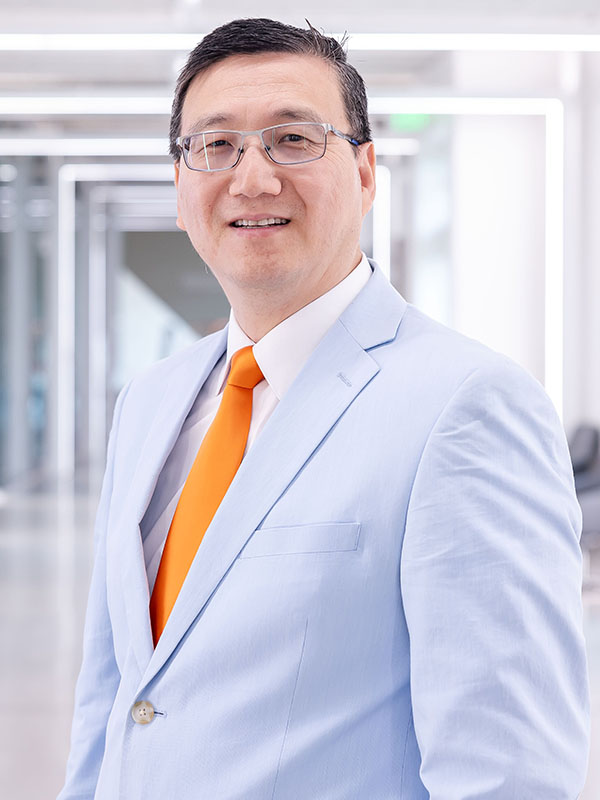
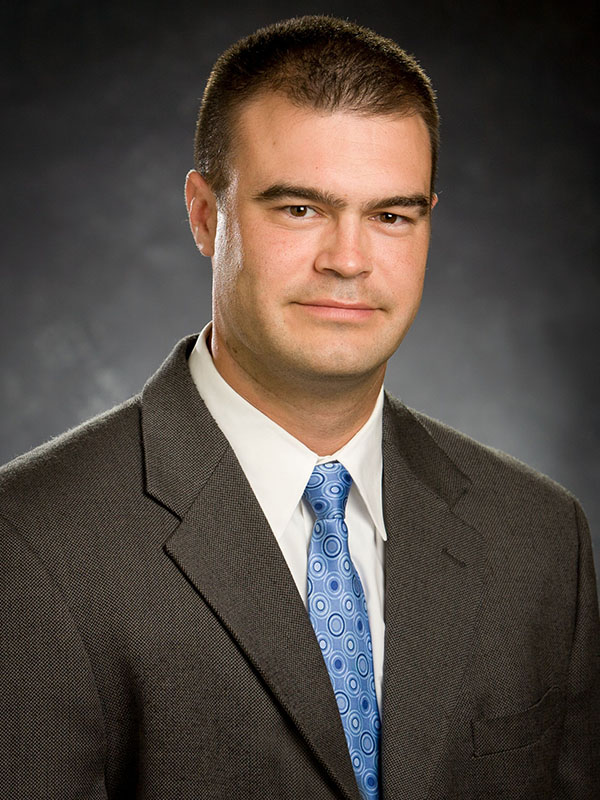
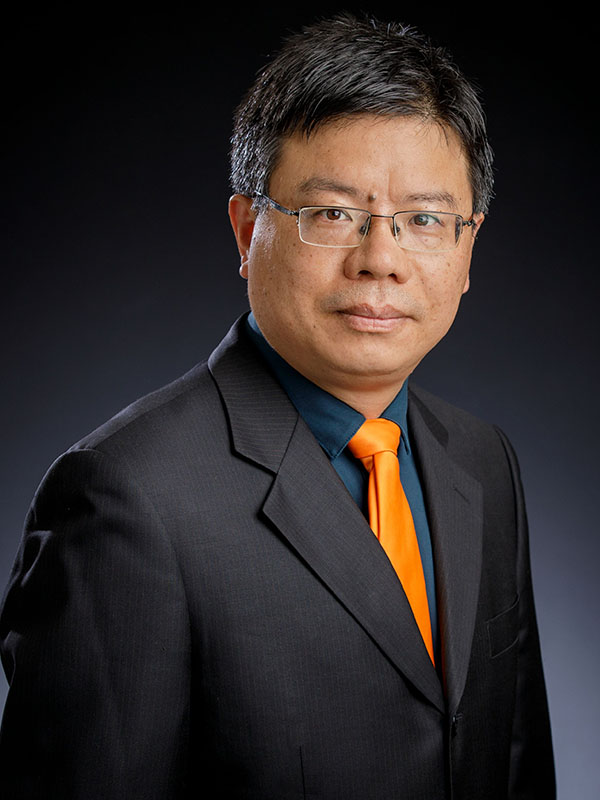
CEAT Endowed Chairs & Professorships