OSU alum turns work ethic into innovation and impact
Tuesday, June 2, 2026
Media Contact: Desa James | Communications Coordinator | 405 744 2669 | desa.james@okstate.edu
For Lee Easton, success didn’t come from taking the easiest path. It came from finding where he could grow, putting in the work and building something meaningful along the way.
A 2014 graduate of Oklahoma State University’s School of Electrical and Computer Engineering, Easton now balances a full-time engineering career with entrepreneurship, leading multiple companies and teams. But his journey didn’t begin with a clear roadmap.
“I did some reading and soul searching to ultimately find that I wanted to do things that would leave behind a positive impact and inspire others,” Easton said. “I felt like technology was the best route to take.”
After starting in business, Easton made the decision to transfer to the ECE program in the College of Engineering, Architecture and Technology.
Easton quickly realized the transition wouldn’t be easy.
“I recognized that I was the least smart person in all of the rooms,” he said. “So, I needed to do something hands-on to speed up the learning process.”
That mindset led to long days, often from 8 a.m. to midnight, and a determination to keep going, even when the material didn’t come easily.
But instead of focusing solely on grades, Easton focused on growth.
“Not making perfect grades is just surface-level stuff,” he said. “Find what you’re best at and lean into your strengths.”
Mercury Robotics
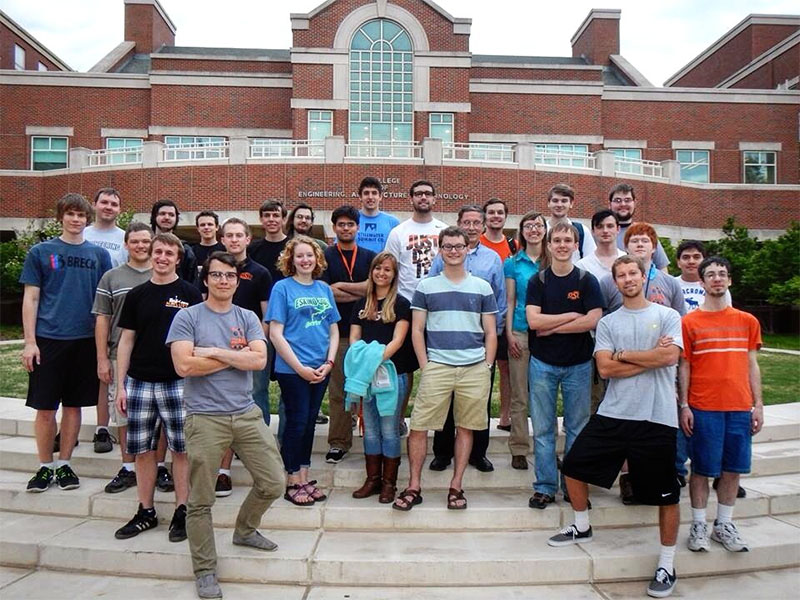
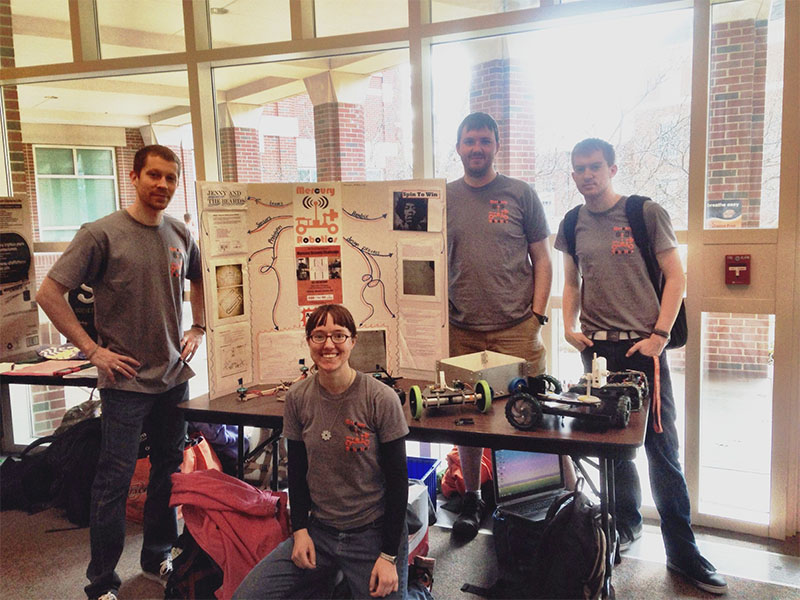
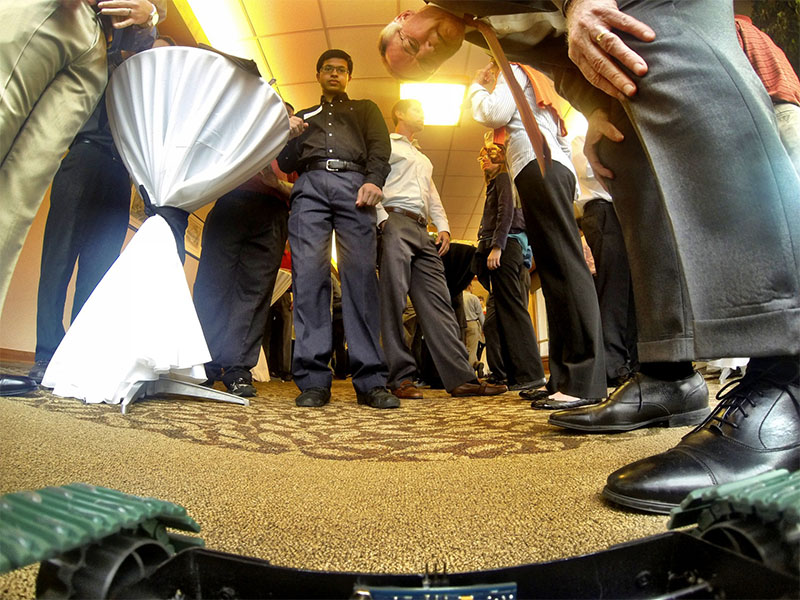
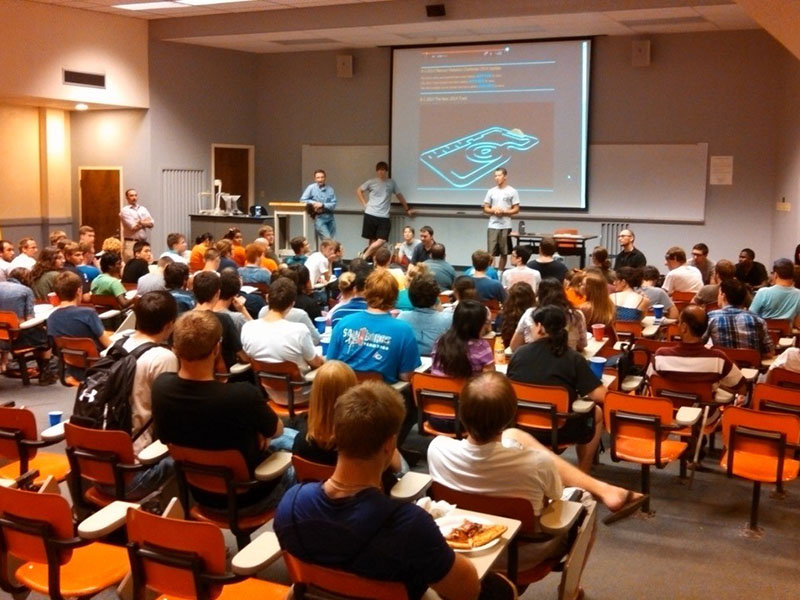
During his time at CEAT, Easton founded Mercury Robotics, a student organization that became a defining part of his college experience.
What started as a way to learn outside the classroom quickly grew into something much bigger.
By the time he graduated, the organization had nearly 80 active members and had built partnerships with companies like ABB and universities across the United States and internationally.
“It gave me a platform to build a community and grow my leadership skills,” Easton said.
Through that experience, he gained skills that would become foundational to his career: bringing people together, identifying strengths and creating opportunities.
From classroom to career
After earning dual bachelor’s degrees in electrical engineering and computer engineering, Easton balanced his engineering career at ConocoPhillips with a growing interest in entrepreneurship.
Shortly after graduating, he co-founded ModernBlox, a company that designed and constructed residential and commercial spaces using shipping containers. The work blended engineering with creative design, reflecting his longtime interest in architecture.
“We did projects from Tulsa to Detroit and Atlanta,” Easton said. “It was a way to apply engineering in a completely different, hands-on way.”
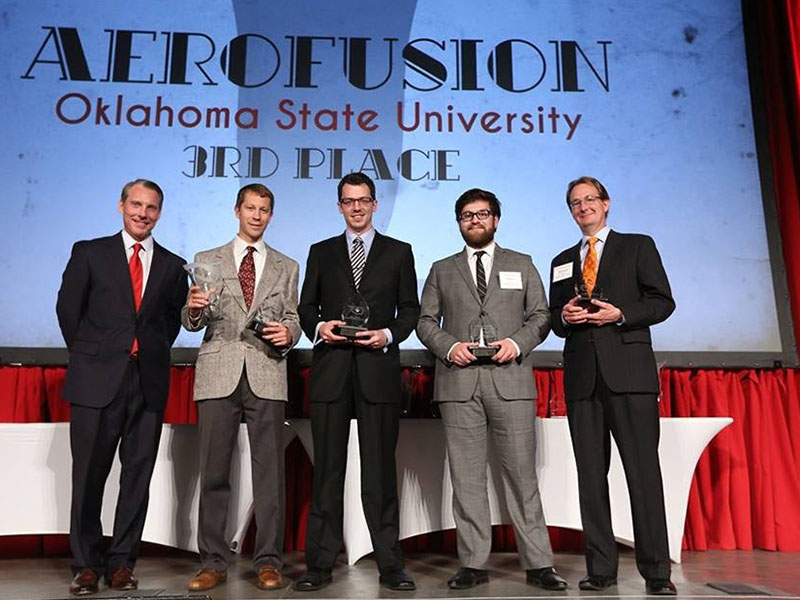
Around the same time, Easton founded AeroVision.io, a technology-driven marketing and analytics company. As the business evolved, AeroVision.io eventually became what is now iDENTIFY, a company that supports banks in managing cloud-based data systems.
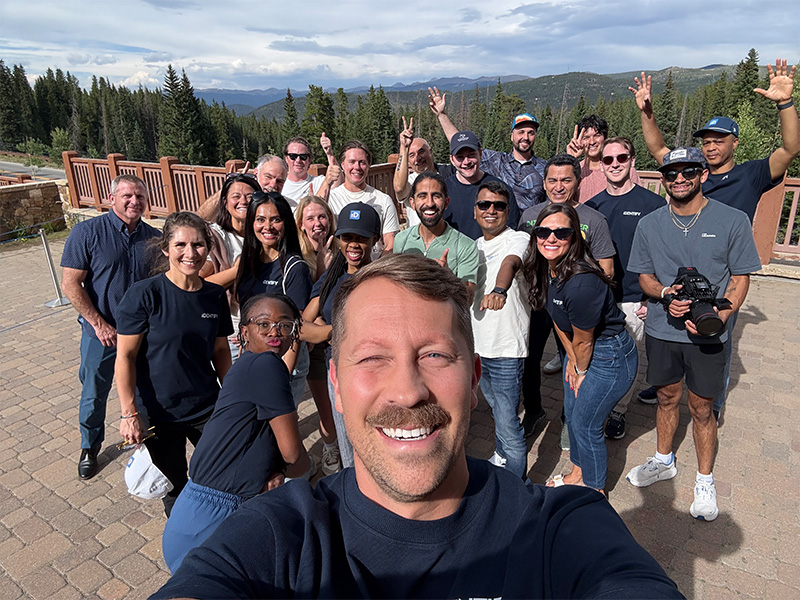
In 2019, Easton stepped away from both ConocoPhillips and ModernBlox to focus fully on growing iDENTIFY, where he now serves as president. Today, he leads teams of engineers while continuing to apply lessons he first learned at OSU.
“Building a team of officers at Mercury Robotics is how I’ve been able to scale iDENTIFY,” he said. “Recognizing strengths and weaknesses to assign and delegate for growth is huge when building a business.”
That emphasis on teamwork, trust and shared success has been key to his companies’ growth and reflects the same collaborative environment he experienced in CEAT.
“The people are what set OSU apart,” Easton said. “The ECE department felt like my second family. I could walk into any professor’s office anytime.”
A lasting influence
From long days in the lab to building teams and businesses, Easton’s journey reflects a grit-first mindset. For him, it’s all about showing up, putting in the work and lifting others along the way.
It’s a perspective shaped during his time in CEAT and one he now shares with current students navigating their own paths.
“Find what you’re naturally good at and work it like a muscle,” Easton said. “That’s what you’ll use when you go out into the real world.”
Lee Easton's time at OSU