

OSU research looks underground to prevent sewer overflows
Tuesday, November 24, 2026
Media Contact: Desa James | Communications Coordinator | 405-744-2669 | desa.james@okstate.edu
Key Takeaways
- Dr. Gabriel Perez received more than $500,000 from the U.S. Environmental Protection Agency for a four-year project to help communities prevent wastewater sewer overflows.
- Researchers from OSU's School of Civil and Environmental Engineering are partnering with the cities of Stillwater and Edmond to identify infiltration and inflow sources in sewer systems.
- The project uses digital twins, computer modeling, field monitoring and machine learning to pinpoint vulnerable sewer infrastructure and prioritize repairs.
- OSU researchers aim to help municipalities reduce wastewater overflows, protect waterways and make more effective infrastructure investments.
A heavy rainstorm can create problems that extend well beyond flooded streets and overflowing storm drains. For communities with aging wastewater infrastructure, rainwater and groundwater can enter underground sewer pipes, overloading systems and potentially sending untreated wastewater into nearby waterways.
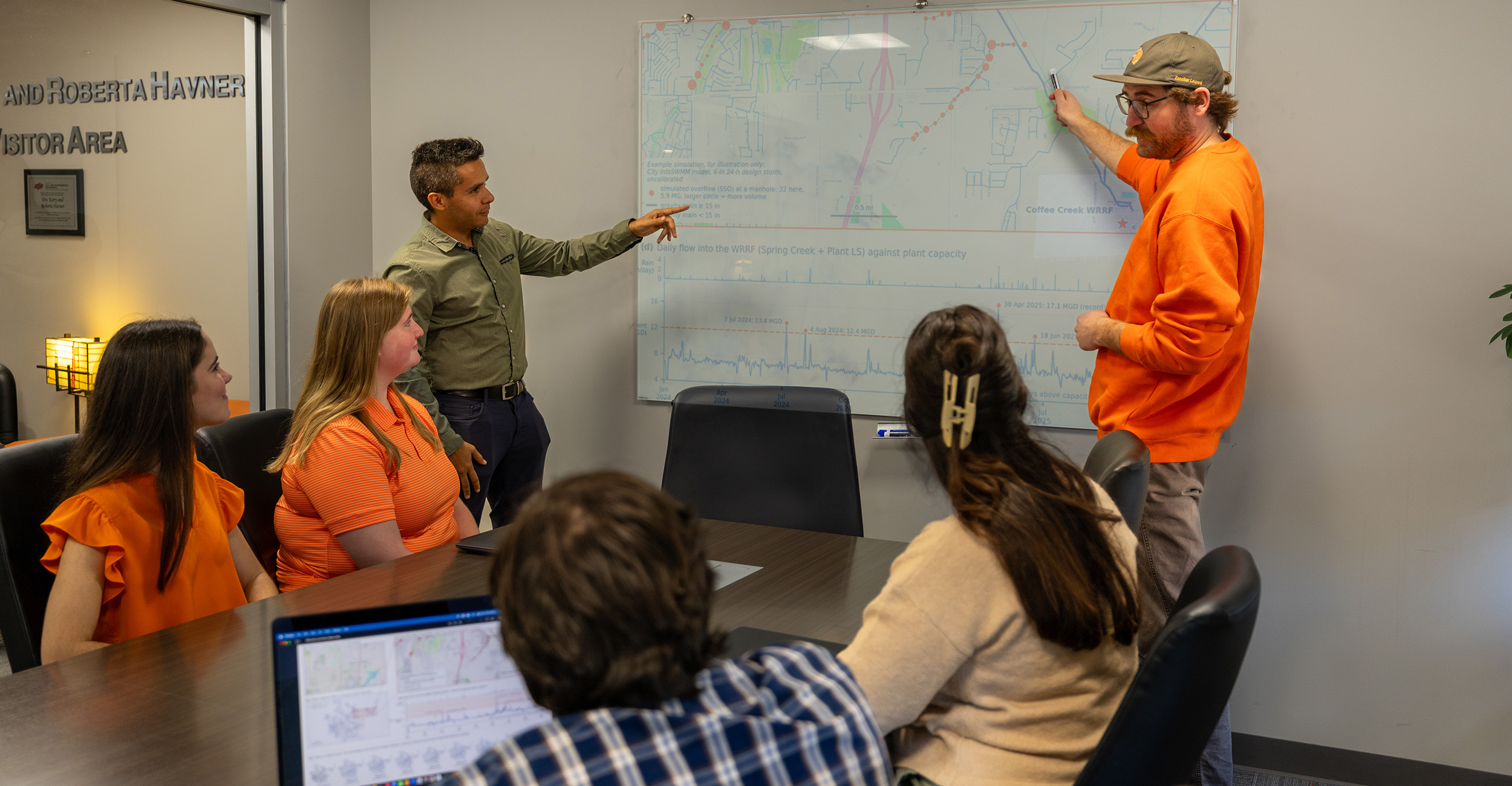
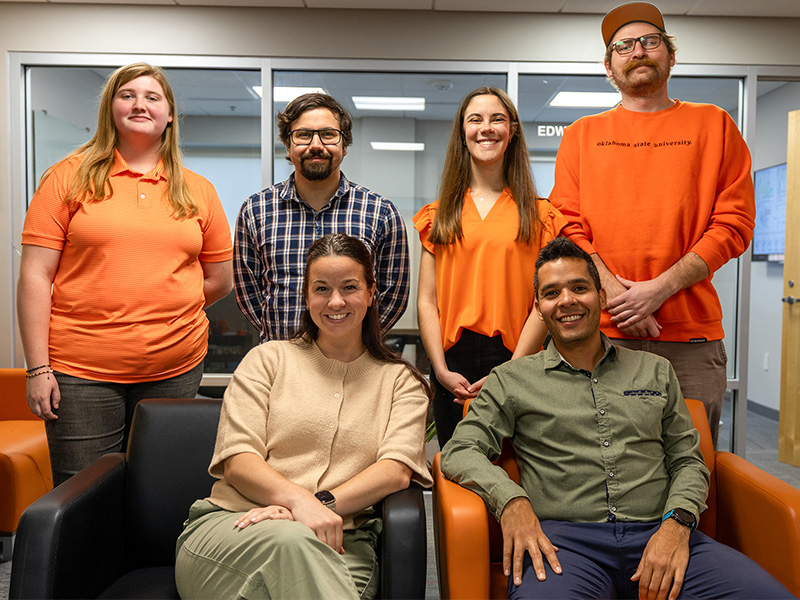
Dr. Gabriel Perez, an assistant professor in the School of Civil and Environmental Engineering, has received more than $500,000 from the United States Environmental Protection Agency for a four-year project aimed at helping communities prevent these overflows. Perez leads the project as principal investigator, with CIVE assistant professor Dr. Jaime Schussler serving as co-principal investigator.
Finding where that unwanted water enters the system, understanding how it moves through miles of underground infrastructure and determining which repairs will make the biggest difference are challenges facing municipalities across the country.
Perez and his research team are working with the cities of Stillwater and Edmond, Oklahoma, to develop a framework that could help communities get ahead of those problems.
The project combines computer modeling, field monitoring and machine learning to help municipalities identify vulnerable areas in their sewer networks, anticipate future problems and prioritize infrastructure improvements.
The goal is to help communities spot trouble before it surfaces, make smarter infrastructure investments and keep excess water out of sewer systems and pollutants out of waterways.
Understanding what's underground
"Sanitary sewer systems are designed to transport wastewater from homes, businesses and industries to treatment plants," Perez said. "They aren't intended to carry rainwater. However, water can enter these systems through cracks in aging pipes, damaged manholes and improper connections.
"Municipalities often know they have an infiltration and inflow problem but have limited information about exactly where it is happening. That makes it difficult to decide where to invest their maintenance and rehabilitation budgets."
This has consequences. Untreated wastewater can contain pathogens, nutrients and other contaminants that affect water quality and aquatic ecosystems.
"Excessive nutrients, for example, can contribute to algal blooms and lower oxygen levels in rivers and lakes," Perez said.
Creating a virtual version of the sewer system
To better understand how these systems behave, the research team will develop digital twins of Stillwater and Edmond's sewer networks. They will include information about the pipes, manholes, pumping stations and observed wastewater flows.
In addition to having a simulated likeness of the sewer system, the models will also incorporate existing utility records, rainfall information, groundwater conditions and historical overflow data.
By using the digital twin and the U.S. EPA's Storm Water Management Model, Perez can simulate how rainwater and groundwater affect sewer performance.
But the project goes a step beyond creating virtual versions of two Oklahoma sewer systems.
Researchers will also develop digital siblings, allowing them to experiment with systems that don’t yet exist.
By studying hundreds or thousands of these simulated networks, researchers can better understand the conditions that make sewer systems vulnerable. The additional data will also help train and evaluate machine-learning tools that other municipalities could eventually use.
Turning data into decisions
Simulating thousands of possible conditions takes considerable computing time. Machine learning could help researchers get answers faster.
Perez will use machine learning to identify patterns in the computer simulations and available monitoring data. These tools could help estimate how a sewer network will respond to a particular storm and identify areas more likely to experience excessive inflow or overflows.
The benefit is not simply predicting where a problem might occur. It's helping municipalities determine what to do about it.
Potential solutions vary by community but include:
- repairing damaged pipes and manholes
- installing green stormwater infrastructure
- disconnecting improper sources of water
The team will evaluate options that fit the cities' existing maintenance and rehabilitation programs. Computer modeling and cost-benefit analysis will help determine which improvements offer the greatest return, while field monitoring and before-and-after comparisons will measure their effectiveness. Schussler will lead the project's field monitoring work, helping to test model predictions against observed conditions and assess the effectiveness of improvements.
The larger objective is to help municipalities move away from reacting to problems after they occur and toward anticipating where infrastructure is most vulnerable.
"We want to provide tools that help them anticipate where problems are most likely to occur, understand why they happen and evaluate solutions before making expensive infrastructure investments," Perez said. "Ideally, this means better use of limited resources, fewer emergencies and more resilient wastewater systems."
Preparing communities for the future
Over the next four years, graduate and undergraduate students will contribute to the project through utility data analysis, computer modeling, field monitoring and the development of machine-learning tools.
Working alongside municipal engineers and utility professionals will also give students firsthand experience seeing how engineering research informs decisions about real-world infrastructure.
"What excites me most is the opportunity to take research beyond the computer and see it make a real difference in our communities," Perez said. "We can develop sophisticated models and new artificial intelligence tools, but the real success comes when those tools help a city identify a problem, make a better infrastructure decision and ultimately reduce wastewater overflows."
By bringing what's happening beneath our streets into clearer view, Perez, Schussler and their research team in the College of Engineering, Architecture and Technology hope to help communities make better infrastructure decisions before sewer problems reach the surface.
What excites me most is the opportunity to take research beyond the computer and see it make a real difference in our communities. We can develop sophisticated models and new artificial intelligence tools, but the real success comes when those tools help a city identify a problem, make a better infrastructure decision and ultimately reduce wastewater overflows.
FAQ
-
What is OSU researcher Gabriel Perez studying?
Dr. Gabriel Perez, an assistant professor in OSU's School of Civil and Environmental Engineering, is leading a project to help communities prevent sewer overflows caused by infiltration and inflow, or I&I. The research focuses on identifying where rainwater and groundwater enter sanitary sewer systems and determining the most effective solutions.
-
How will OSU researchers use digital twins and machine learning?
OSU researchers will create digital twins, or computer-based representations, of Stillwater's and Edmond's sewer systems. Machine-learning tools will analyze simulation and monitoring data to identify patterns, estimate system responses to storms and highlight areas at greater risk for excessive inflow or sewer overflows.
-
What solutions will the OSU project evaluate to reduce sewer overflows?
The research team will evaluate options including repairing damaged pipes and manholes, installing green stormwater infrastructure and disconnecting improper water sources from sewer systems. Computer modeling, field monitoring and cost-benefit analyses will help determine which improvements provide the greatest benefit
-
How will OSU students participate in the project?
Graduate and undergraduate students will contribute through utility data analysis, computer modeling, field monitoring and machine-learning tool development. The project will also give students experience working with municipal engineers and utility professionals on real-world infrastructure challenges.