


OSU-Tulsa researcher turns chronic pain research into action for Native communities
Thursday, October 15, 2026
Media Contact: Aaron Campbell | OSU-Tulsa Communications Coordinator | 918-899-4960 | aaron.ross.campbell@okstate.edu
Key Takeaways
- A five-year, $3.4 million NIH grant will fund a mobile app designed to address chronic pain among Native American communities.
- OSU-Tulsa’s Dr. Joanna Shadlow will lead Native American engagement, incorporating community perspectives, values and lived experiences into the intervention.
- Nearly one in three Native Americans lives with chronic pain, according to research cited in the Journal of the International Association for the Study of Pain.
- The smartphone-based intervention will target barriers to chronic pain care, including cost, transportation and limited provider availability.
Dr. Joanna Shadlow, teaching professor of psychology at Oklahoma State University-Tulsa, is a co-investigator on a new five-year, $3.4 million grant from the National Institutes of Health funding the creation of a mobile app dedicated to addressing chronic pain in Native American communities.
Shadlow, a member of the Osage Nation, has been studying Native American chronic pain disparities alongside principal investigator Dr. Jamie Rhudy, a professor of Health Promotion Sciences at the University of Oklahoma, for more than 15 years.
According to research cited in the Journal of the International Association for the Study of Pain, Native Americans experience chronic pain at a higher rate than any other racial or ethnic segment of the U.S. population, with nearly one in three Native Americans living with chronic pain.
Providing in-person relief has long been complicated by financial and geographic challenges, and a lack of providers. The planned smartphone-based remote intervention app is intended to address the barriers caused by cost, lack of transportation and provider availability.
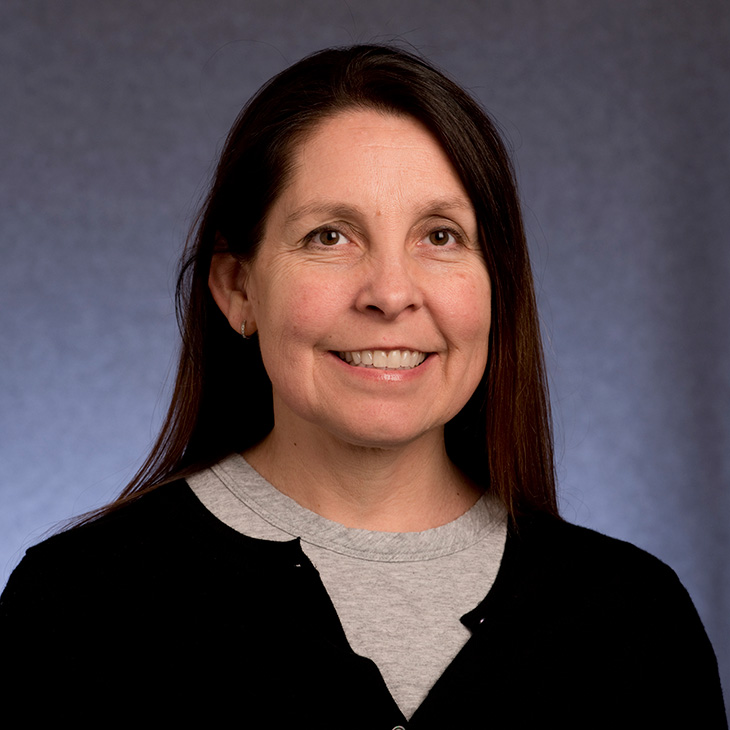
“As a member of the Native community, I see incredible resilience, but I also see pain that is too often not adequately addressed,” Shadlow said. “We know enough about what we think is contributing to the disparity. Now let’s fix it.
“The mobile health app allows us to bring evidence-based support to people instead of making them come to us. This is especially important in Oklahoma, which is home to one of the largest Native populations in the country and includes rural and tribal communities. Most everyone has a smartphone – so we can really improve access to care.”
Other co-investigators include Dr. Mark Lumley, distinguished professor of psychology at Wayne State University and Health Promotion Research Center Co-Director Dr. Michael Businelle, who created the Insight mHealth Platform, on which the app will be built.
Shadlow serves as the project’s Native American lead. One of her primary roles is ensuring that the app reflects the perspectives, values and lived experience of Native Americans in order to deliver tailored exercises and community-based lifestyle recommendations that are clinically proven to reduce chronic pain.
“We found that cultural connectedness is a buffer to the impact of chronic pain,” she said. “We’re going to be reaching out to Native Americans in the community to figure out how to best shape this intervention from the very beginning, rather than adding an Indigenous perspective after the fact.”
Shadlow will work closely with tribal partners and the project’s Indigenous Advisory Council, as well as directly with Native American community members through planned talking circles and other outreach efforts.
Shadlow and Rhudy’s past research, including the 2013-2018 Oklahoma Study of Native American Pain Risk, shows that Native Americans experience greater rates of interpersonal discrimination, stress, high blood pressure and sleep disturbances, all of which contribute to how pain is processed in the brain.
“Pain is absolutely real, and we know that it physically hurts, but we also know it’s influenced by stress, emotions and sleep,” Shadlow said.
While the specific mechanisms of the app will be developed in partnership with Native communities, focus areas will directly target these factors, with research-backed methods for stress management, anxiety, sleep hygiene, physical health and even connecting to culture through diet.
Without the proper management of chronic pain, according to Shadlow, people can seek relief in destructive ways.
“We have a huge opioid epidemic that is just devastating to people’s lives,” Shadlow said. “If we can integrate an evidence-based approach that infuses culture and decreases someone’s need or reliance on addictive pain medicines, I would be honored to be a part of that change.”
-
What is OSU-Tulsa’s new Native American chronic pain research project?
The five-year project, “Tailored Mobile Health Technology to Address Native American Chronic Pain,” will develop a community-informed mobile health app to help address chronic pain among Native Americans. The research is funded by the National Institutes of Health’s National Institute on Minority Health and Health Disparities.
-
How much NIH funding did the Native American chronic pain project receive?
The National Institutes of Health awarded $3.4 million over five years for the project. The funding is through the National Institute on Minority Health and Health Disparities, Award No. R01MD021599.
-
What is Dr. Joanna Shadlow’s role in the Native American chronic pain project?
OSU-Tulsa teaching professor Dr. Joanna Shadlow, a member of the Osage Nation, is a co-investigator and the project’s Native American lead. She will work with tribal partners, an Indigenous Advisory Council and Native American community members to help ensure the app reflects Native perspectives, values and lived experiences.
-
How will the mobile app help Native Americans living with chronic pain?
The smartphone-based intervention is designed to bring evidence-based chronic pain support directly to Native American communities while reducing barriers related to cost, transportation and provider availability. Planned focus areas include stress management, anxiety, sleep hygiene, physical health and cultural connections such as diet.
-
Why is the project focused on chronic pain in Native American communities?
Native Americans experience chronic pain at a higher rate than any other racial or ethnic segment of the U.S. population, with nearly one in three Native Americans living with chronic pain, according to research cited in the Journal of the International Association for the Study of Pain. Previous research by Shadlow and principal investigator Dr. Jamie Rhudy also identified factors including discrimination, stress, high blood pressure and sleep disturbances that contribute to pain disparities.