
News and Media

Equine herpesvirus – What to know

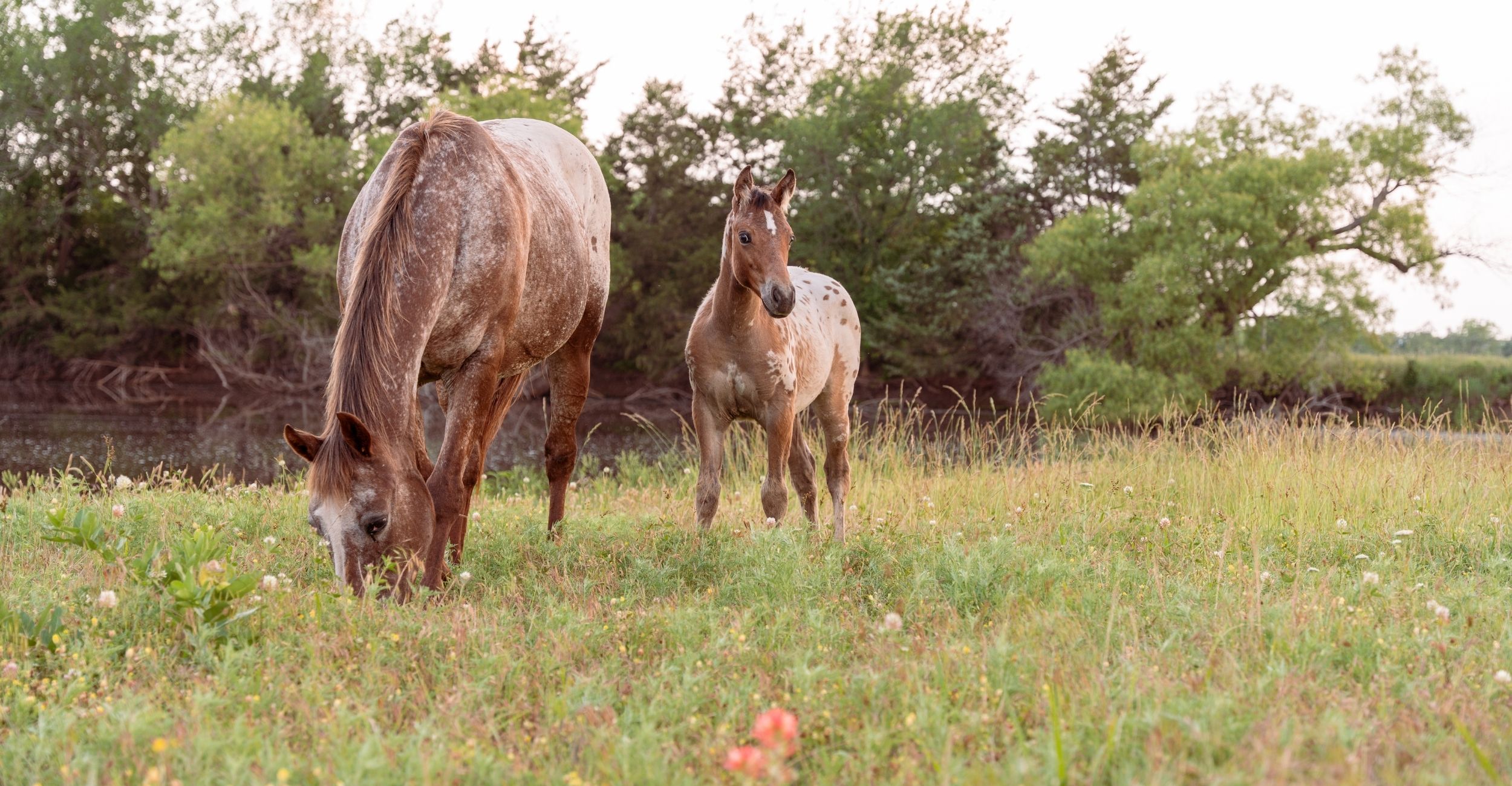
Equine herpesvirus (EHV) is a family of 9 viruses named by numbers. EHV-1, the virus associated with the ongoing outbreak, is most commonly associated with respiratory tract infections. EHV-1 is also associated with neurologic disease and abortion.
Equine herpesvirus – What to know
Veterinary Viewpoints: Wildlife Safety

Wed, Jul 10, 2024

Encountering an orphaned or injured wild animal can be a delicate and emotional situation. Knowing the right steps to take can make a significant difference in the animal's well-being and chances of survival.

wildlife ecology and managementVeterinary Viewpointsnew topicsCollege of Veterinary MedicinewildlifeVeterinary Medical Teaching Hospital
Veterinary Viewpoints: Ticks on Livestock

Sat, Jun 1, 2024

In Oklahoma, ticks are detected on livestock throughout the year, and tick-borne disease is commonly diagnosed. With milder winters and high humidity, tick numbers appear to be increasing across the state, so let Oklahoma State University summarize

ticksnew topicsCalvesLivestockVeterinary Viewpointsdairy cattleVeterinary Medical Teaching Hospitalbeef cattleCollege of Veterinary Medicine
Veterinary Viewpoints: Severe weather and pets

Wed, May 1, 2024

Severe weather can pose significant risks to pets. Whether it's thunderstorms, hurricanes, tornadoes, or extreme heat, these weather events can be distressing and dangerous for our animal companions.

College of Veterinary MedicinePetsVeterinary Medical Teaching HospitalVeterinary Viewpoints_featureddogsnew topics
Veterinary Viewpoints - Heartworm Disease: Prevention is key

Mon, Apr 1, 2024

As we all anticipate warmer weather and enjoying the outdoors with our pets, it is important to remember to protect your dogs from parasites. One of the parasites that dogs need protection from is Heartworms.

dogsnew topicsVeterinary ViewpointsVeterinary Medical Teaching Hospital_featuredPetsCollege of Veterinary Medicine
Veterinary Viewpoints: Colostrum – Liquid Gold for Newborn Calves

Fri, Mar 1, 2024

In utero, calves do not receive immunoglobulins (Ig = antibodies) from the dam, instead, they rely solely on passive transfer of antibodies through colostrum intake shortly after birth to acquire immunity. The quantity, quality and timing of

beef cattle_featuredVeterinary ViewpointsVeterinary Medical Teaching Hospitalbeef cattle researchbeef cattle healthnew topicsCollege of Veterinary Medicine
Veterinary Viewpoints: Caring for calves in cold weather

Fri, Feb 2, 2024

When the weather becomes severe, calving becomes much more challenging. Although, both hot and cold weather can impact a calf's ability to thermoregulate, calves born in extreme cold quickly utilize all body fat reserves, putting them at risk.

Veterinary Medical Teaching Hospitalbeef cattle healthAnimal Health CareBoren Veterinary Medical HospitalOSU College of Veterinary Medicinebeef cattleCollege of Veterinary MedicineVeterinary Viewpoints
Veterinary Viewpoints: Calf 911-resuscitation basics

Tue, Jan 2, 2024

Calf resuscitation refers to the process of reviving a newborn calf that is experiencing difficulty breathing or is unresponsive after birth. It is a critical procedure that aims to provide the calf with immediate care to improve chances of survival.

Boren Veterinary Medical Hospitalbeef cattleVeterinary Viewpointsbeef cattle healthVeterinary Medical Teaching HospitalCollege of Veterinary MedicineOSU College of Veterinary MedicineAnimal Health Care
Veterinary Viewpoints: Calf 911: resuscitation basics

Mon, Jan 1, 2024

Calf resuscitation refers to the process of reviving a newborn calf that is experiencing difficulty breathing or is unresponsive after birth. It is a critical procedure that aims to provide the calf with immediate care to improve chances of survival.

livestock safetyLivestockVeterinary Medical Teaching Hospital_featuredVeterinary Viewpointsbiosecuritynew topicsCollege of Veterinary Medicine
Top 5 things to watch out for pet safety during holidays

Wed, Dec 13, 2023

It is common for us all to indulge in some high-calorie foods during the holidays, but what about our pets? Can they join the feast? Oklahoma State University assistant professor of behavior science Dr. Leticia Fanucchi advises against it and

holidays and petsCollege of Veterinary MedicinePetsBoren Veterinary Medical HospitalVeterinary ViewpointscatsdogsOSU College of Veterinary Medicineholidays
Veterinary Viewpoints: Winterizing Your Horse

Fri, Dec 1, 2023

Winter weather is a major change for animals who live in the seasonal hemispheres, where winter weather occurs. Although the winters here may not be as harsh as the more northern states, we all know the temperatures can swing widely resulting some

College of Veterinary MedicineVeterinary Medical Teaching HospitalEquineVeterinary Viewpoints