

OSU staking its claim on the forefront of rural behavioral health efforts
Friday, March 13, 2026
Media Contact: Kirsi McDowell | Communications Coordinator | 405-744-8320 | kirsi@okstate.edu
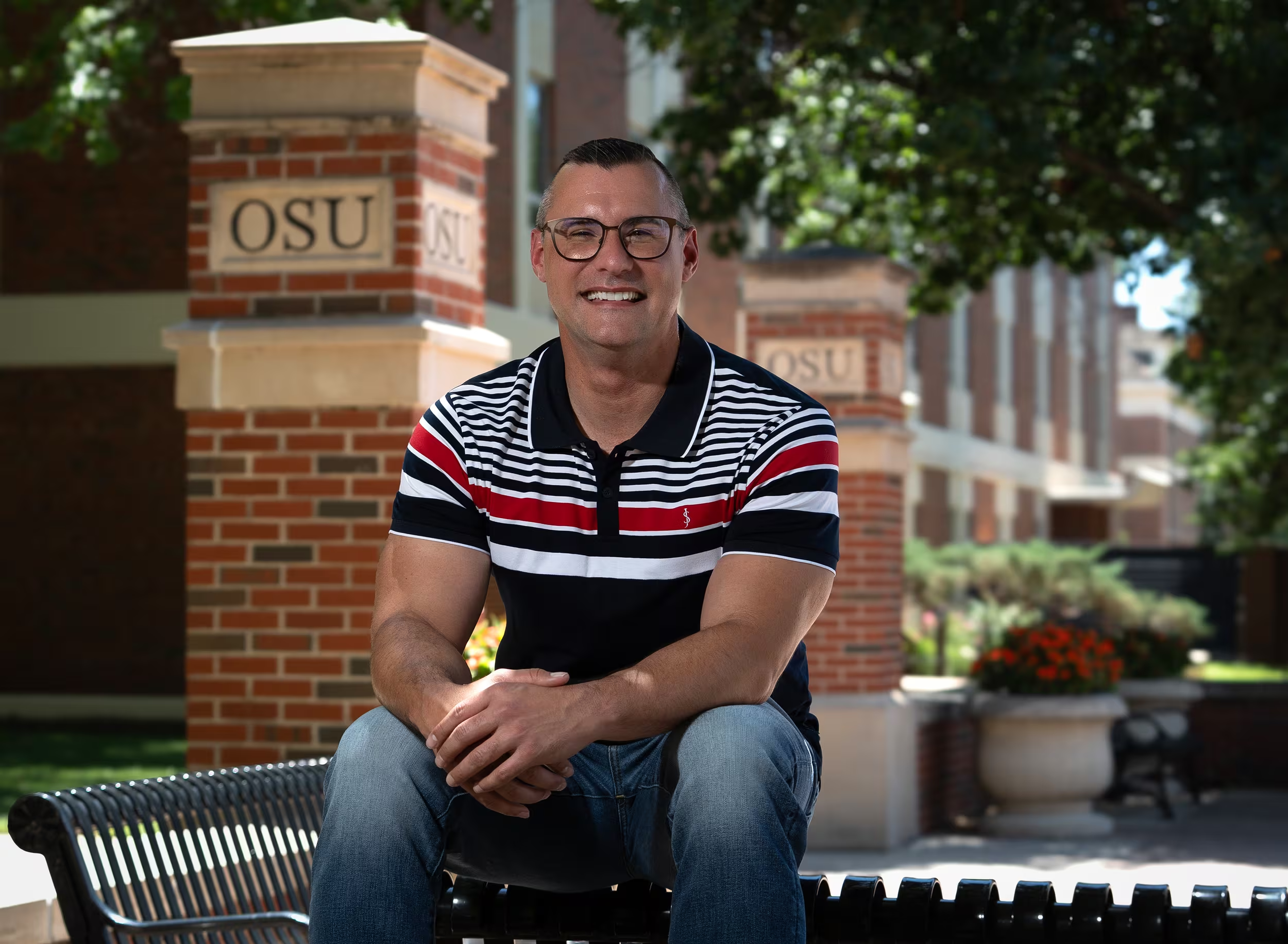
Dr. Douglas Knutson — associate professor and director of training for the counseling psychology doctoral program — is shedding light on the importance of rural health, in both research and practice.
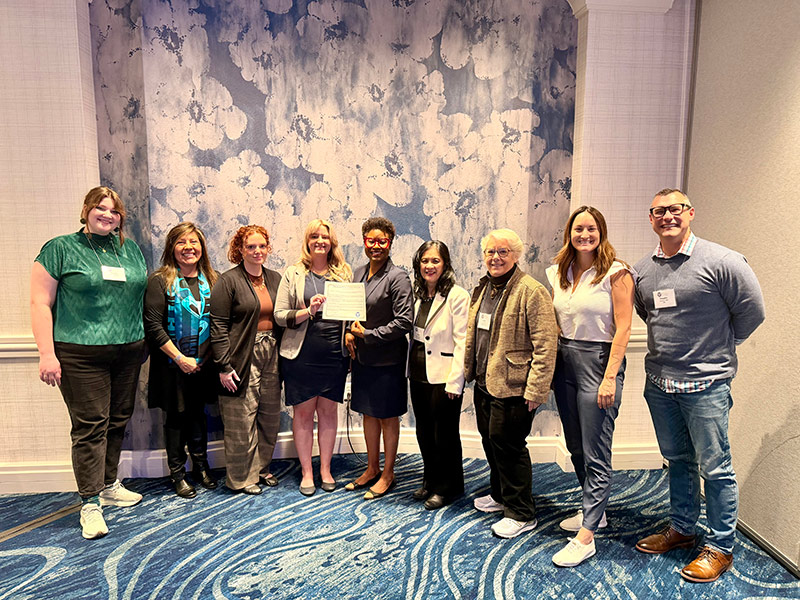
The American Psychological Association Committee on Rural Health, in partnership with other committees and rural-focused groups, has been recognized with a prestigious APA presidential citation for its collaborative work on advocating for rural behavioral health. Knutson is an elected member of the committee, serving as vice-chair last year.
In the citation, APA President Dr. Wendi Williams shares that the collective efforts have strengthened rural behavioral health systems by addressing the challenges created by workforce shortages, geographic isolation and limited infrastructure.
It is through clinical innovation, workforce development, policy advocacy and community partnerships that this group of psychologists has advanced care in places where it’s needed most.
The citation recognizes activities such as the National Needs Assessment conducted by and hosted at OSU, as well as upcoming Monitor on Psychology articles that include quotes from Knutson and other rural health partners. The recognition affirms OSU's major role in rural behavioral health efforts.
“This honorific recognition reflects the impact of Dr. Knutson’s collaborative leadership and advocacy for rural behavioral health. Being acknowledged underscores the importance of this work and the distinction of his contributions to advancing access and outcomes for rural communities,” College of Education and Human Sciences Dean Stephen Clarke said.
“His scholarship, service and commitment to addressing behavioral health disparities exemplify the land-grant mission we value within our college and at Oklahoma State University. We are proud to celebrate this achievement and the visibility it brings to rural mental health initiatives.”
Q&A with Dr. Knutson
How and why does rural behavioral health differ from standard care options?
Current care models rely on urban bias for a range of reasons, as addressed in my work and that of other rural scholars. Because current approaches build on urban perspectives, cultures and assumptions, they fail to address the needs, expectations and interests of rural communities. Cultural norms of this community include valued stoicism, self-sufficiency and privacy, all of which can lead to individuals choosing not to seek care. Additionally, (operating from urban bias) providers, policymakers and educators tend to approach rural communities as if they are monoliths — but they are actually varied, regionally nuanced and heterogeneous.
One example of the disconnect that occurs when urban tools are applied to rural communities is the over-reliance on teletherapy to address rural needs. Yes, teletherapy makes care more accessible, but in communities where in-person connections are standard, receiving care from a person on a screen may not be as therapeutic as “seeing a real person.”
Why is access to rural behavioral health so crucial?
Some pressing behavioral health concerns disproportionately impact rural communities, such as suicide risk in rural veterans, farmers, ranchers and other populations who have been historically underserved and under-researched by behavioral health providers and scholars. Rural behavioral health saves lives among some of the most geographically isolated, vulnerable and underserved populations in the US.
What work is OSU doing to make rural health more accessible to patients?
There is so much incredible work being done on OSU’s campus, and it is an honor to be a member of such a community of passionate, rural-focused scholars and practitioners. Dr. Hess’ leadership and his presidential focus on accessible education, behavioral health and tribal partnerships are setting the tone for a university already dedicated to rural and tribal health.
- Dr. DJ McMaughan’s leadership as interim school head in the School of Community Health Sciences, Counseling and Counseling Psychology has facilitated interdisciplinary collaboration between public health professionals, counselors and counseling psychologists aimed at rural health education innovations, scholarship and training programs.
- Dr. Denna Wheeler and her team at the OSU Center for Rural Health are national leaders in rural health who work closely with rural and tribal communities throughout Oklahoma.
- The Rural Renewal Initiative Seed Grant funds a wide range of projects that impact rural health (many with a behavioral health focus). The RRI is a major driver of rural-focused initiatives at both the local and statewide levels.
- Dr. Ashley Cole and her students and colleagues in the psychology department have a long-standing relationship with tribal communities, and they are involved in designing cutting-edge interventions to reduce substance use and suicide risk in rural and tribal communities.
- Dr. Gary Duhon and his students and colleagues in school psychology offer essential support services, assessment, and maintain research-based partnerships with rural schools across Oklahoma.
- Dr. Rosemary Avance and her colleagues are producing research and survey data that highlight communication patterns and health communications issues that will help guide public health efforts in the future.
I could go on, and I know I am leaving a ton of people out of this list, but I think it is clear that this is a great time to be a rural health scholar at OSU.
Are their behavioral health resources available on campus for members of rural communities?
The Center for Sovereign Nations is an amazing space for students from rural, tribal spaces to connect, engage in leadership, and explore ways to give back to their communities.
Groups and organizations like the Center for Rural Health, American Indians into Psychology, and the Health, Education and Rural Empowerment Lab bring together rural and tribal citizens who are dedicated to behavioral health. Groups like Student Health Services (UHS), University Counseling Services (UCS), the Counseling and Counseling Psychology Clinic (CCPC), and Al Carlozzi Center for Counseling (ACCC) employ counseling and counseling psychology students who research rural care and cross-cultural concerns relevant to rural communities. OSU offers students great opportunities to invest in rural behavioral health and receive rural-informed health services.
How is OSU preparing future providers to understand the nuances of rural health?
I think this kind of ties to the comment about the environment created by President Hess and the work being done by amazing faculty and students, but I would highlight that OSU is a rich space of interdisciplinary work, and the folks I talked about earlier are highly collaborative and engaged. It is the work we do together that makes the biggest difference.
Also, OSU approved a series of 40 microcredential courses focused on rural, tribal health that will be rolled out over the next three years. Individual programs and departments, such as clinical psychology, school psychology, educational psychology, community counseling, school counseling, and marriage and family therapy, offer courses that address rural behavioral health concerns and rural-informed care.
Why are studies such as the national needs assessment important for informing rural behavioral health practices?
Studies like the National Needs Assessment highlight key trends and critical issues in rural behavioral health. For example, results indicated that most rural-facing providers do not live in the same rural and remote communities for which they provide services. It also highlighted current drivers of rural health disparities and healthcare access issues. Results of the Needs Assessment were used to support national efforts to raise awareness of rural health needs. It also helped highlight the need for rural-specific competencies and training opportunities for rural health providers.
Can you speak to the significance or prestige of the APA Presidential Citation?
The presidential citation is a formal recognition from folks at the highest levels of leadership in the American Psychological Association that rural behavioral health matters. Rural behavioral health is collaborative, communal work, and the citation recognized key partnerships that are pushing that work. It is a recognition that OSU is a meaningful player in that space.