
News and Media

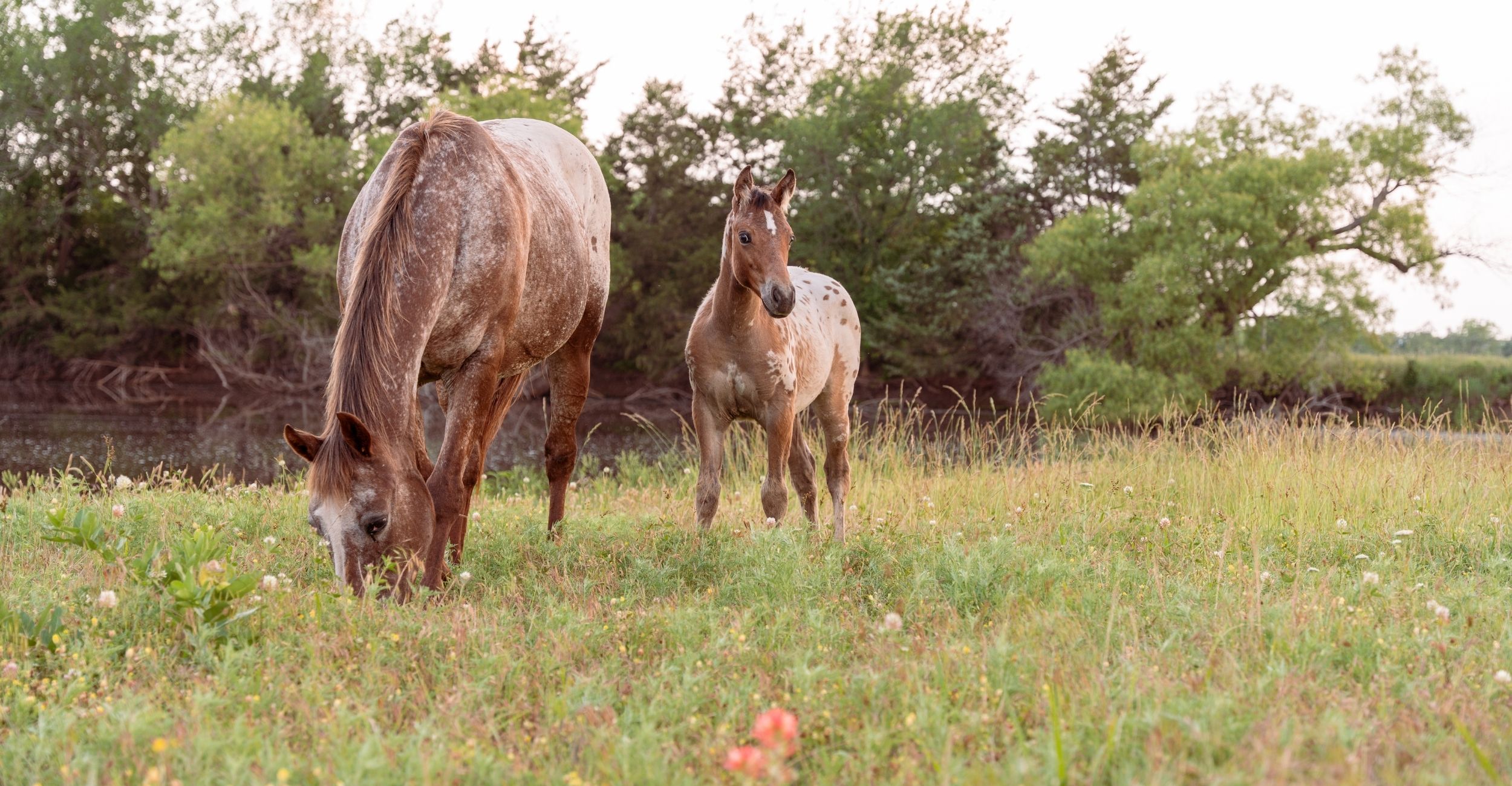
Equine herpesvirus – What to know

Equine herpesvirus (EHV) is a family of 9 viruses named by numbers. EHV-1, the virus associated with the ongoing outbreak, is most commonly associated with respiratory tract infections. EHV-1 is also associated with neurologic disease and abortion.
Equine herpesvirus – What to know

Mon, Dec 1, 2025

Equine herpesvirus (EHV) is a family of 9 viruses named by numbers. EHV-1, the virus associated with the ongoing outbreak, is most commonly associated with respiratory tract infections. EHV-1 is also associated with neurologic disease and abortion.

Equine herpesvirusVeterinary Medical Teaching HospitalOSU College of Veterinary MedicineEquine_featuredCollege of Veterinary MedicineVeterinary Viewpointsnew topics
Rural Roots, Strong Future: Advancing Veterinary Medicine in Oklahoma

Tue, Oct 7, 2025

In rural America, veterinarians are more than just doctors — they are the backbone of thriving animal agriculture communities and essential partners in local economies. They care for livestock that sustain our agricultural industry, keep beloved

beef cattleOSU College of Veterinary MedicineVeterinary Viewpointsnew topics_featuredCollege of Veterinary MedicineVeterinary Medical Teaching Hospital
Veterinary Viewpoints: Understanding Lumpy Jaw

Tue, Jul 8, 2025

Lumpy jaw, or actinomycosis, is a long-lasting bacterial infection in cattle caused by Actinomyces bovis. This bacterium normally lives in the mouths of healthy animals without causing harm.

beef cattle researchVeterinary ViewpointsOSU College of Veterinary Medicinebeef cattleCollege of Veterinary Medicine_featurednew topicsVeterinary Medical Teaching Hospital
Veterinary Viewpoints: Be prepared for calving season

Mon, Apr 28, 2025

Calving season is just around the corner or has already arrived for many. Preparing in advance, particularly for those facing inclement weather, will position producers to successfully address the needs of calves and avoid "calfcicles" in frigid

OSU College of Veterinary MedicineCalvesVeterinary ViewpointsVeterinary Medical Teaching HospitalCollege of Veterinary MedicineCattle
Leptospirosis vaccine becomes core vaccine for dogs

Thu, Dec 19, 2024

This year, the American College of Veterinary Internal Medicine (ACVIM), the World Small Animal Veterinary Association (WSAVA), and the American Animal Hospital Association (AAHA) communicated a historic consensus that the leptospirosis vaccine

new topicsPets_featuredfamily petsVeterinary ViewpointsdogsCollege of Veterinary MedicineVeterinary Medical Teaching Hospital
Decoding Pet Mysteries: New Internal Medicine Service at OSU

Wed, Nov 20, 2024

The Boren Veterinary Medical Teaching Hospital at Oklahoma State University reopened its Small Animal Internal Medicine service this summer to improve access to specialized care for dogs and cats in the area. This veterinary specialty is often

Veterinary Viewpointsfamily petscatsVeterinary Medical Teaching Hospitalnew topicsPetsdogsCollege of Veterinary Medicine_featured
Veterinary Viewpoints: Poisonous plants in Oklahoma

Tue, Sep 10, 2024

Oklahoma's weather is great for growing many ornamental plants, but some of these blooming beauties can be dangerous for pets. Knowing which plants are toxic is important to keep your pets safe.

new topicsCollege of Veterinary MedicinedogscatsDepartment of Natural ResourcesPetsVeterinary Medical Teaching Hospital_featuredfamily petsVeterinary Viewpoints
Asian longhorned tick identified in Oklahoma

Tue, Sep 10, 2024

Originally from eastern Asia, the Asian longhorned tick, Haemaphysalis longicornis, has successfully established itself in Australia, New Zealand, several Pacific Region island nations, and now the United States. Detection of the tick in 2017 on a

LivestockDivision of Agricultural Sciences and Natural ResourcesVeterinary Viewpointsnew topicsCalvesdairy cattleOSU Extensionbeef cattleCollege of Veterinary MedicineticksVeterinary Medical Teaching Hospital